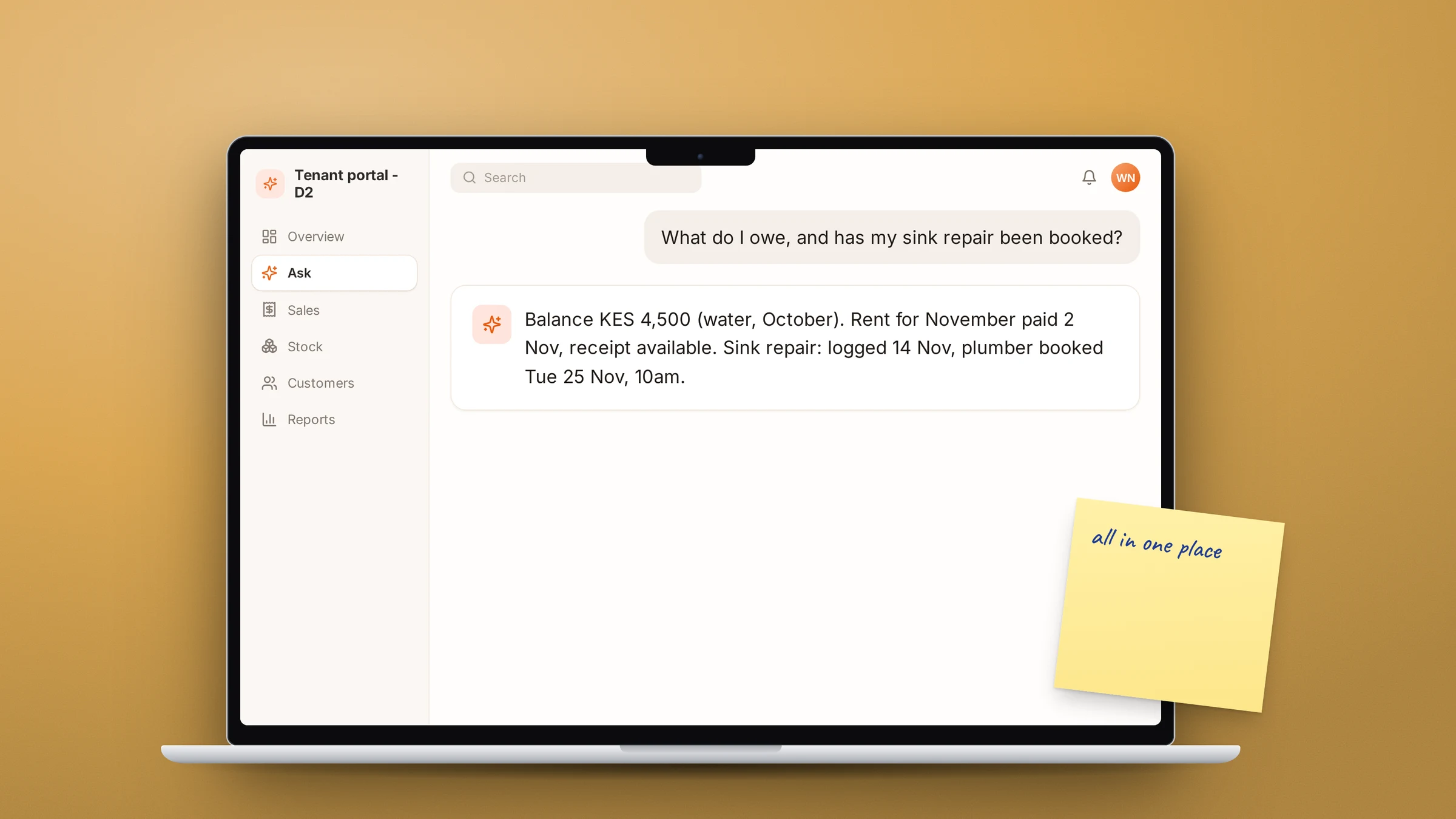
Tenant portals: what tenants actually use
Tenant portals often launch with a dozen features and get used for three. Balances, receipts and maintenance requests are what tenants come back for. Here is how to make those work well.
4 min read
How property businesses use AI for enquiries, viewings, rent collection, and keeping owners and tenants informed.
Tenant portals often launch with a dozen features and get used for three. Balances, receipts and maintenance requests are what tenants come back for. Here is how to make those work well.
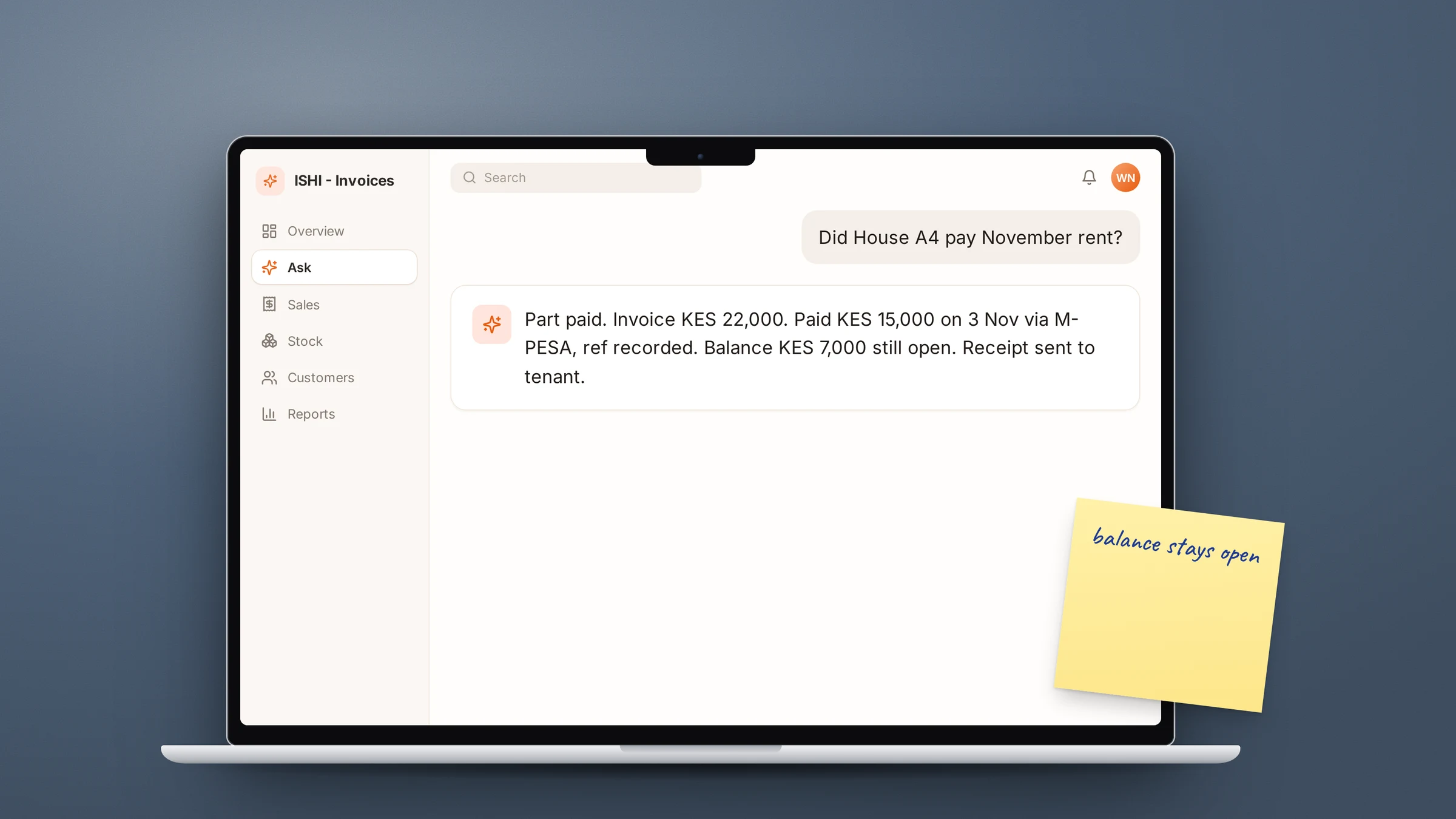
A recap of Solved in Nairobi episode 2: a tenant pays from the ISHI portal, the M-PESA prompt arrives on their phone, and the invoice is reconciled with the reference recorded. What it shows and what to copy.
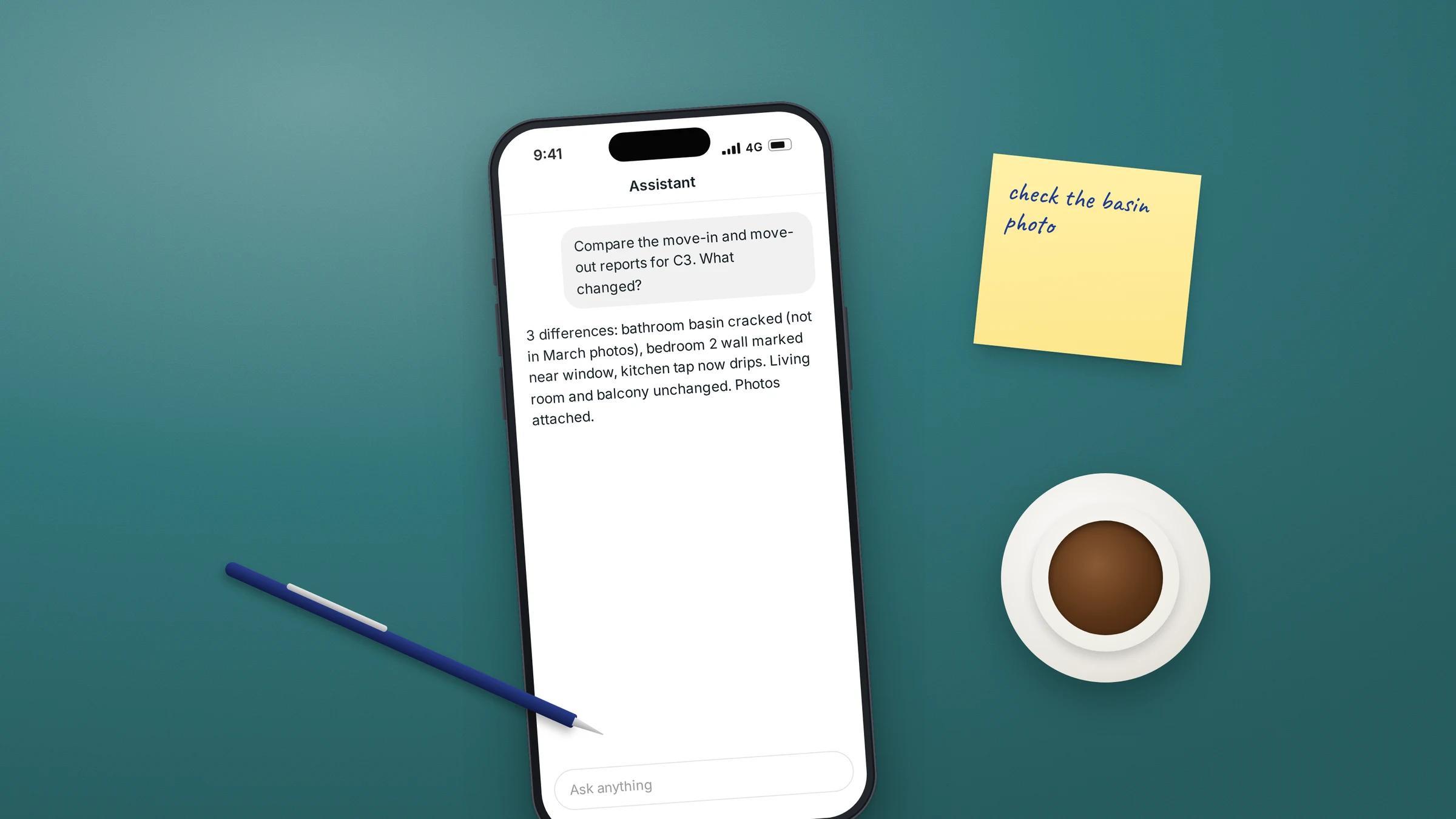
A move-out argument about a cracked basin is really an argument about what the basin looked like at move-in. Here is how to run photo inspections that settle it, and where AI can help write the report.
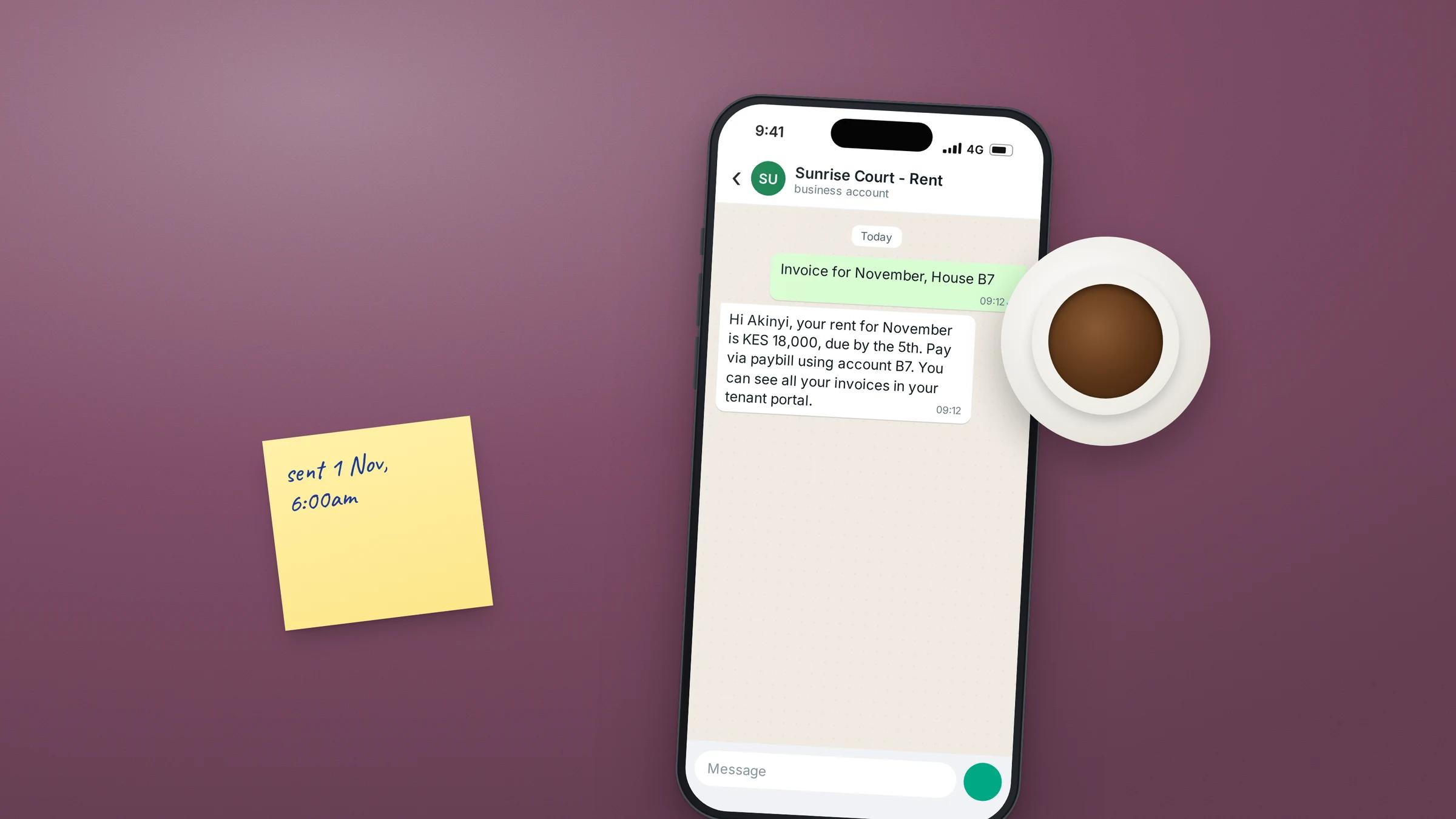
Episode 1 of Solved in Nairobi follows a familiar chore: typing out rent invoices one by one and chasing late tenants. A recap of the episode, the design decision behind it, and what to copy even without new software.
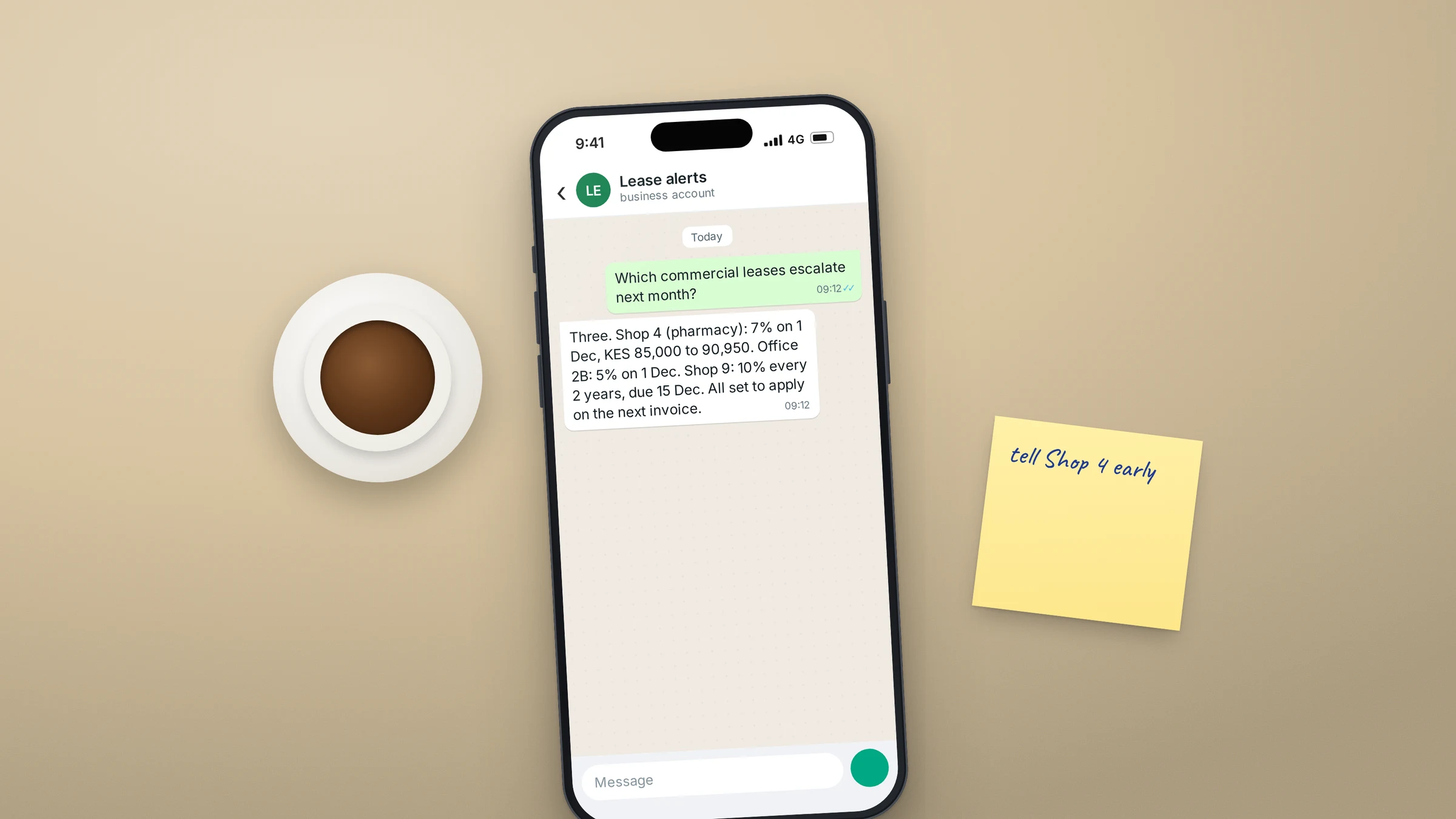
A missed annual escalation on a commercial lease is money you never get back. Here is how to record escalation terms, service charges and tax lines so every invoice is right on its own.
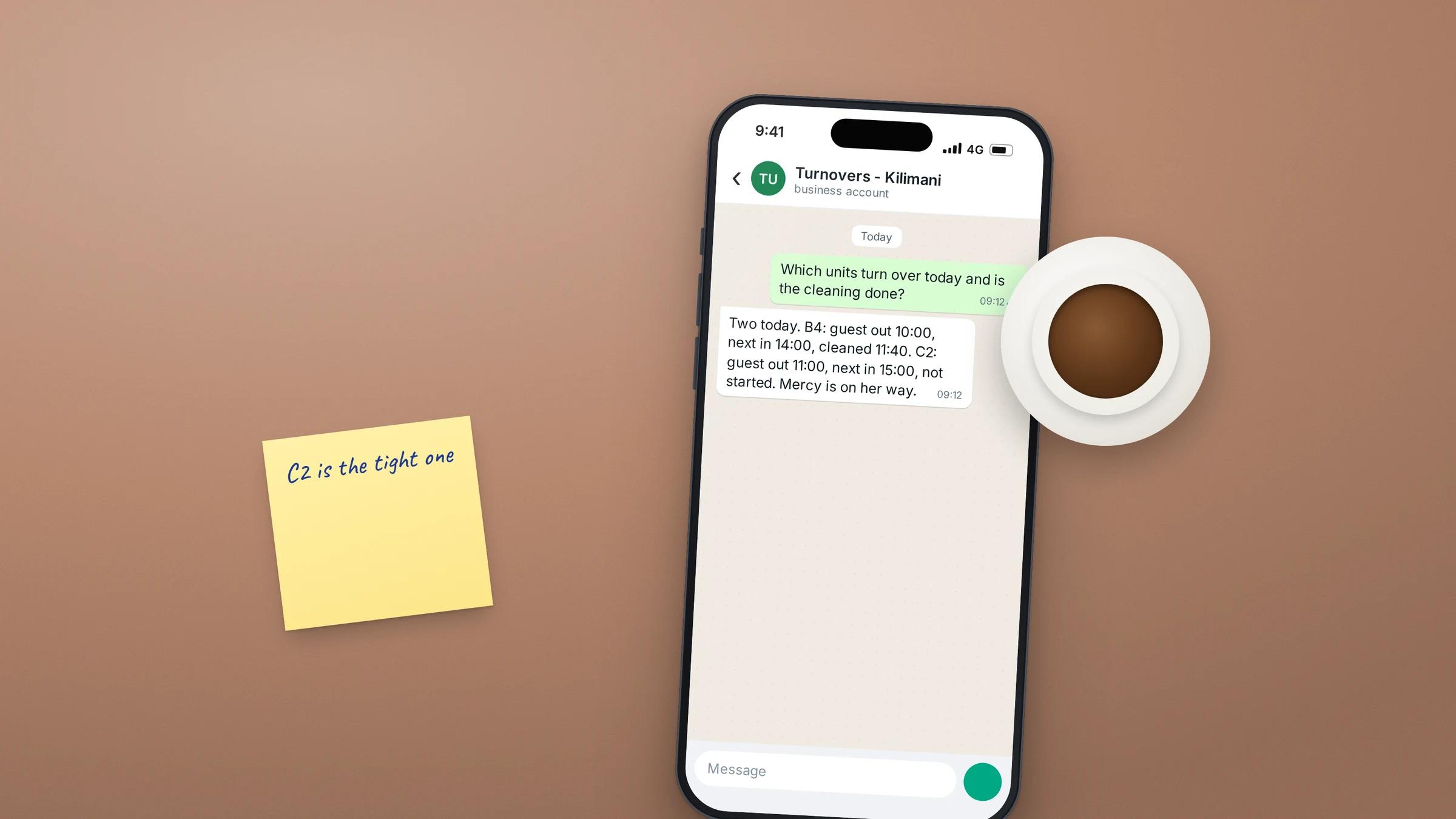
A short-stay unit lives on its calendar. When bookings, cleaning and payments sit in three different places, the gap between guests is where things go wrong. Here is how to tie them together.
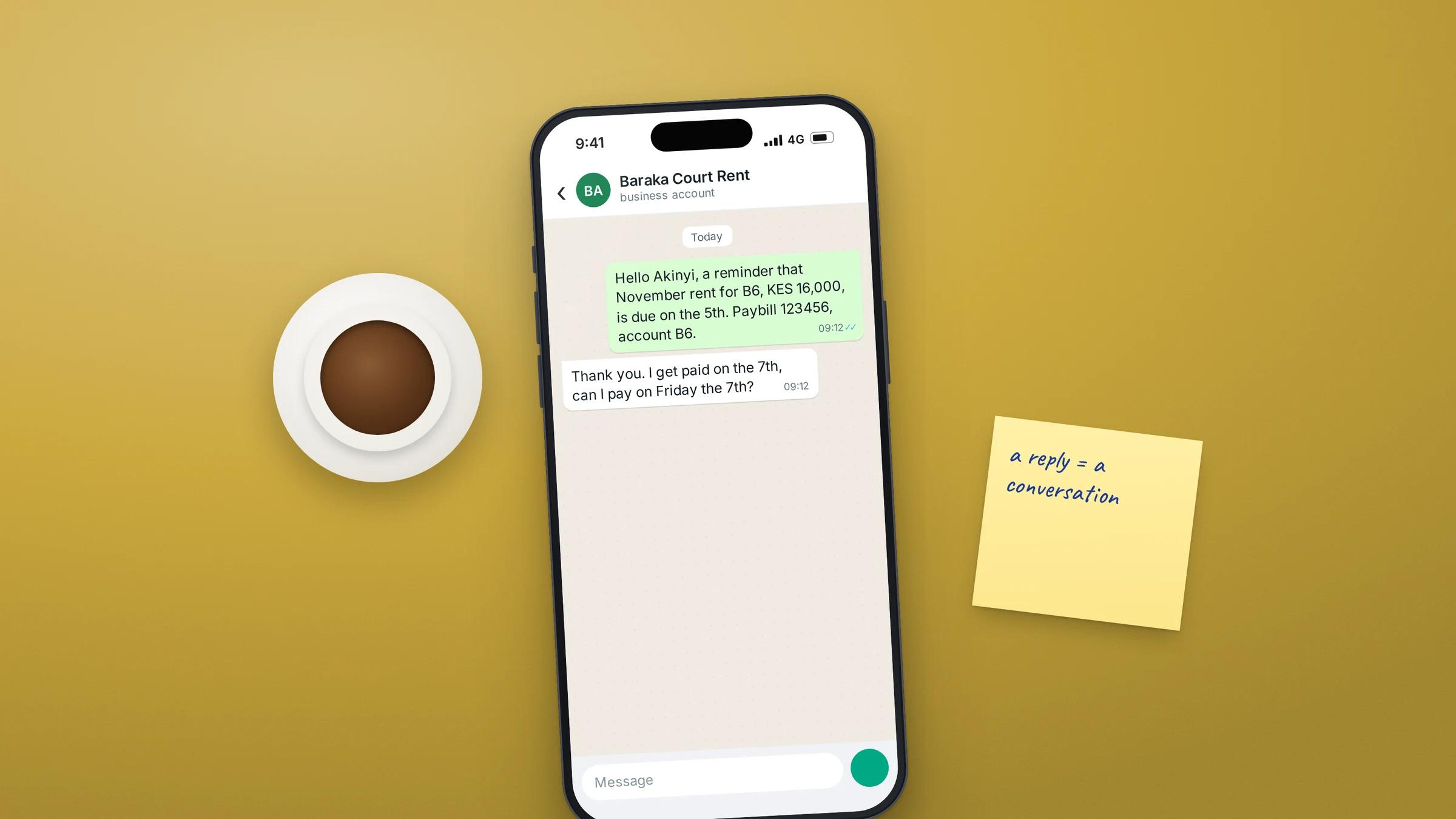
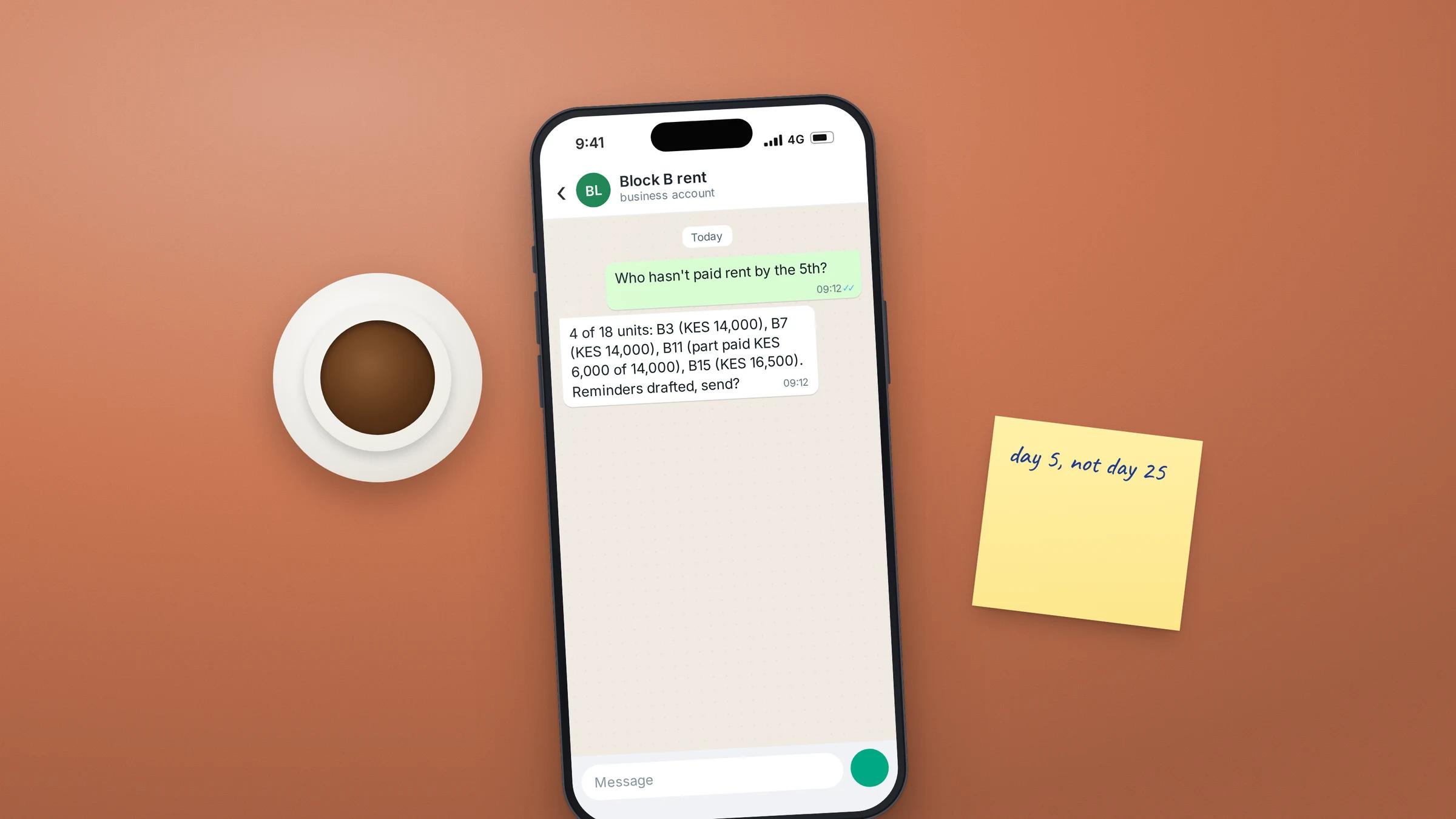
Choosing between SMS and WhatsApp for rent reminders comes down to reach, cost and tone. How to decide per tenant, what each message should say and when to send it.
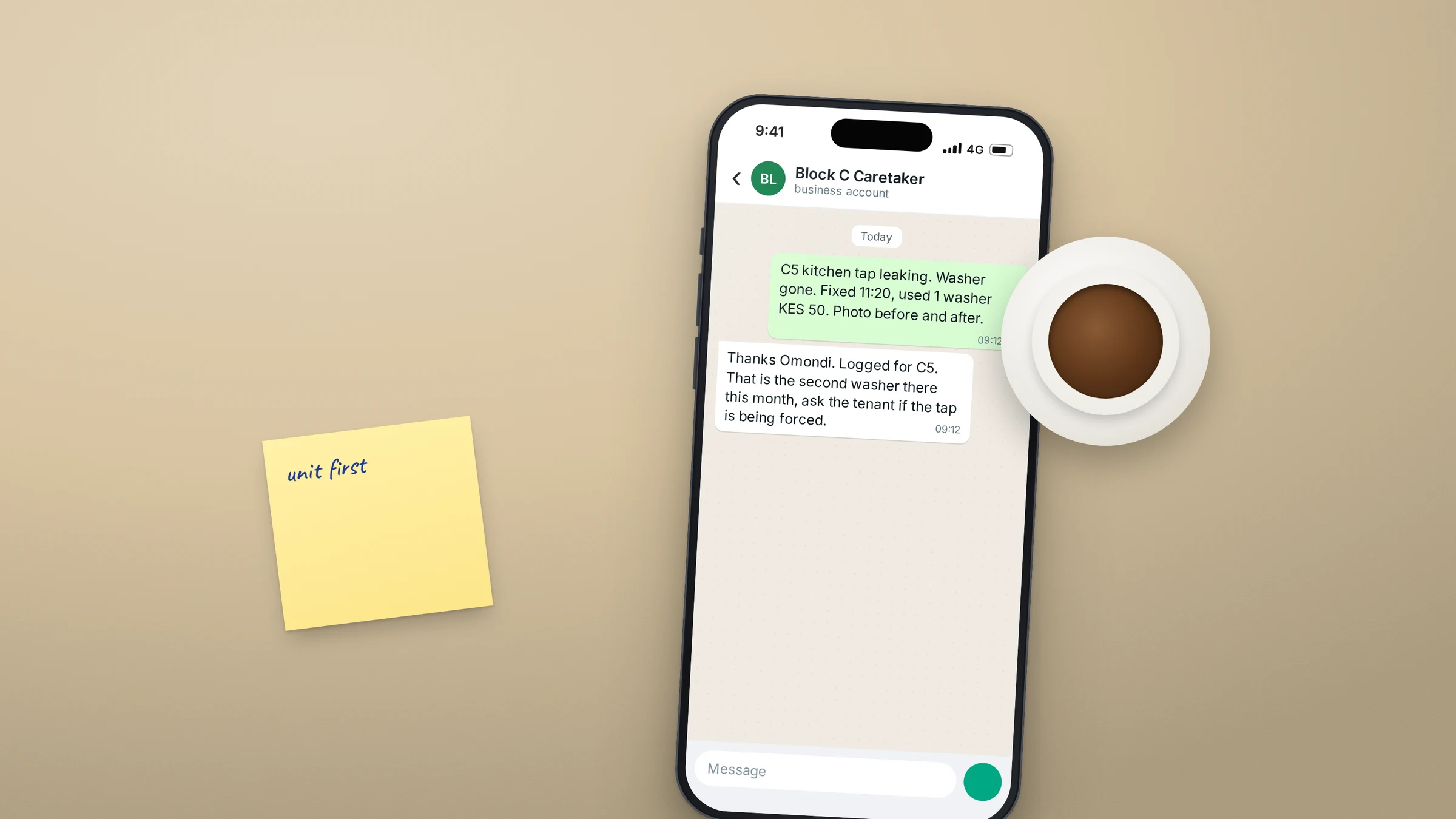
Property records fail at the gate, not in the office. Simple phone tasks that caretakers actually keep doing: photos with a unit number, one WhatsApp group, a daily voice note.
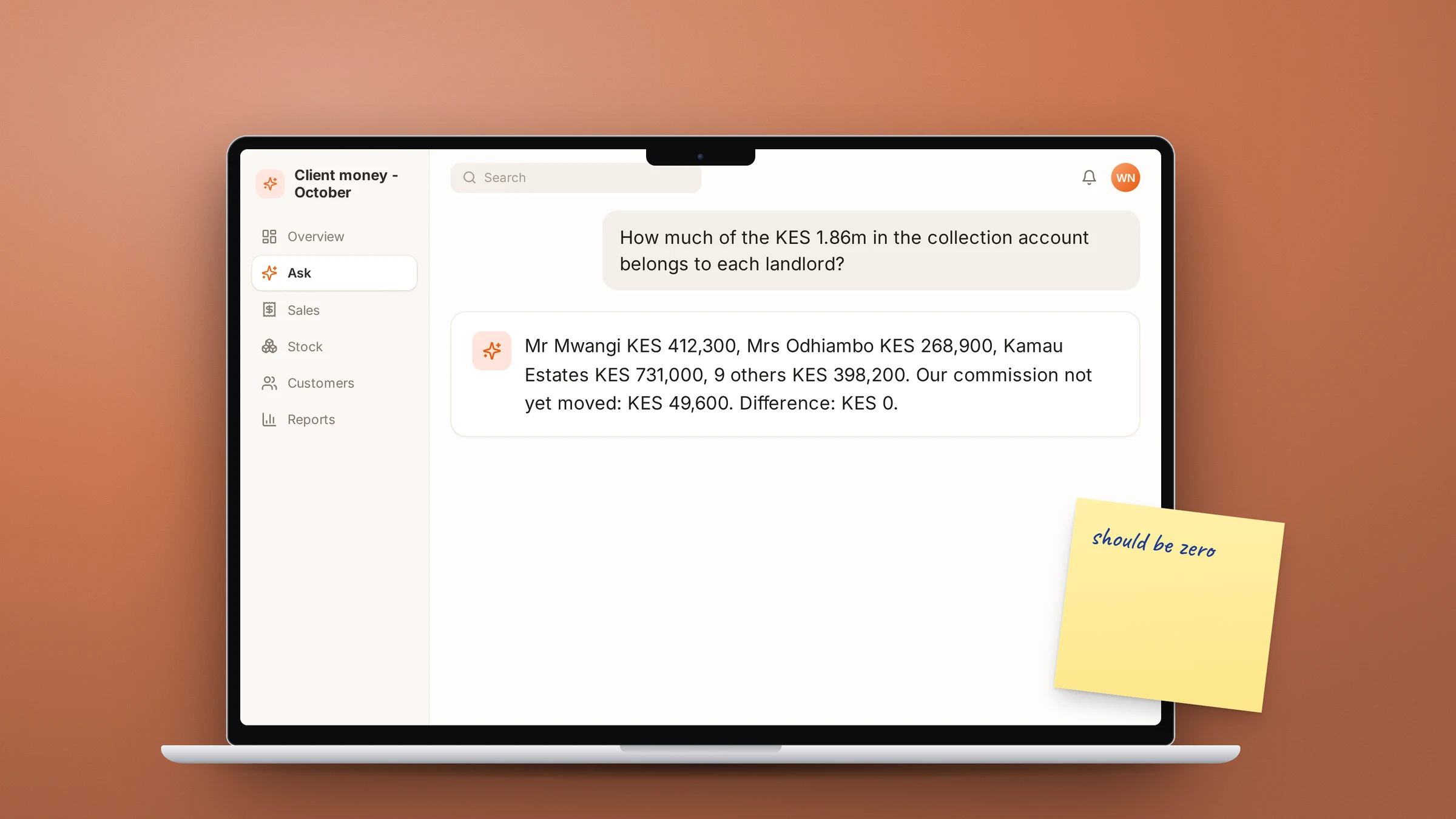
Letting agents who collect for several landlords need a simple ledger per owner: what came in, what went out, what is held. How to set it up before the first dispute.
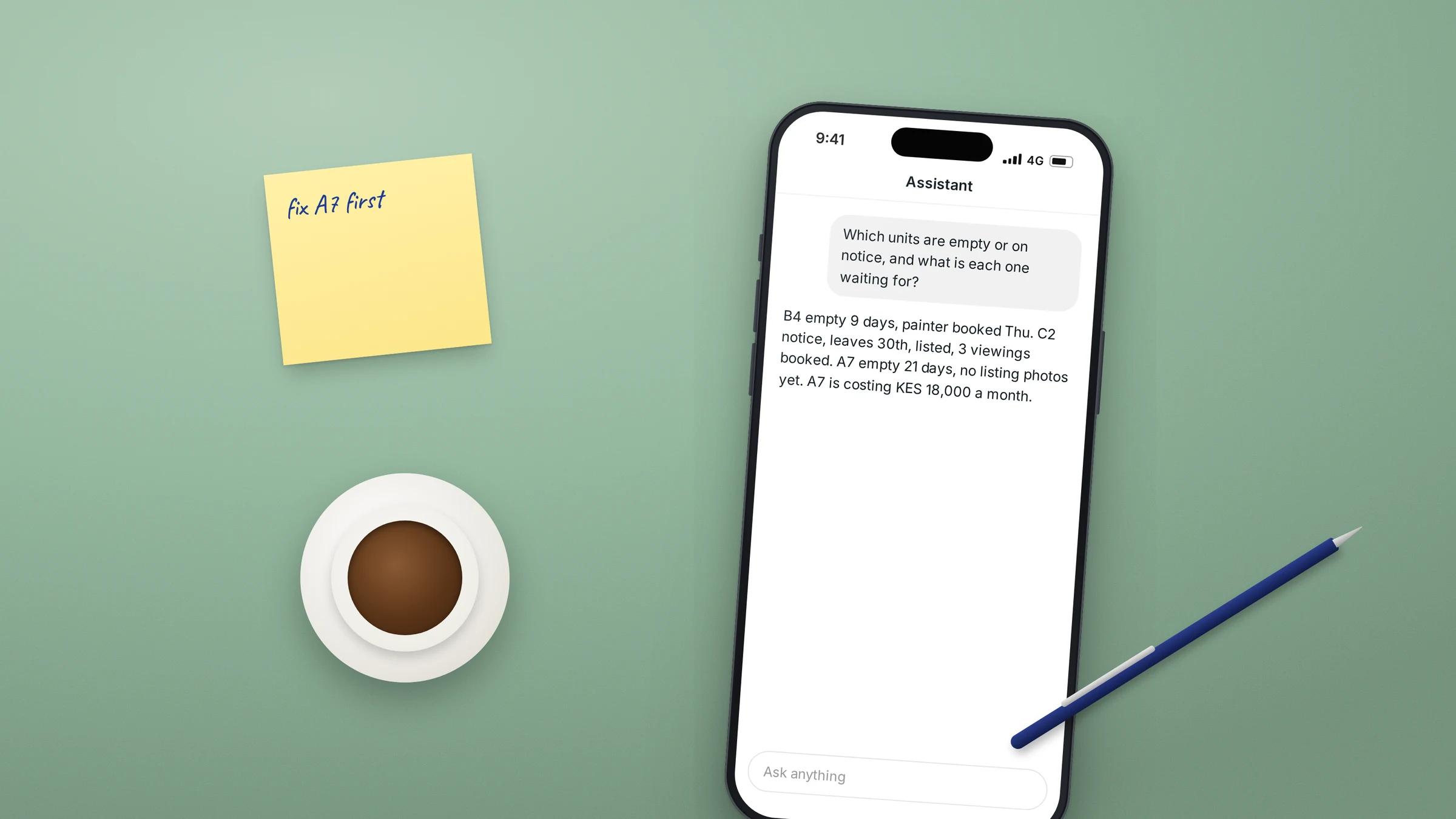
An empty unit is the one cost a landlord can see coming a month away. A simple routine from notice to new keys can take weeks off the gap.
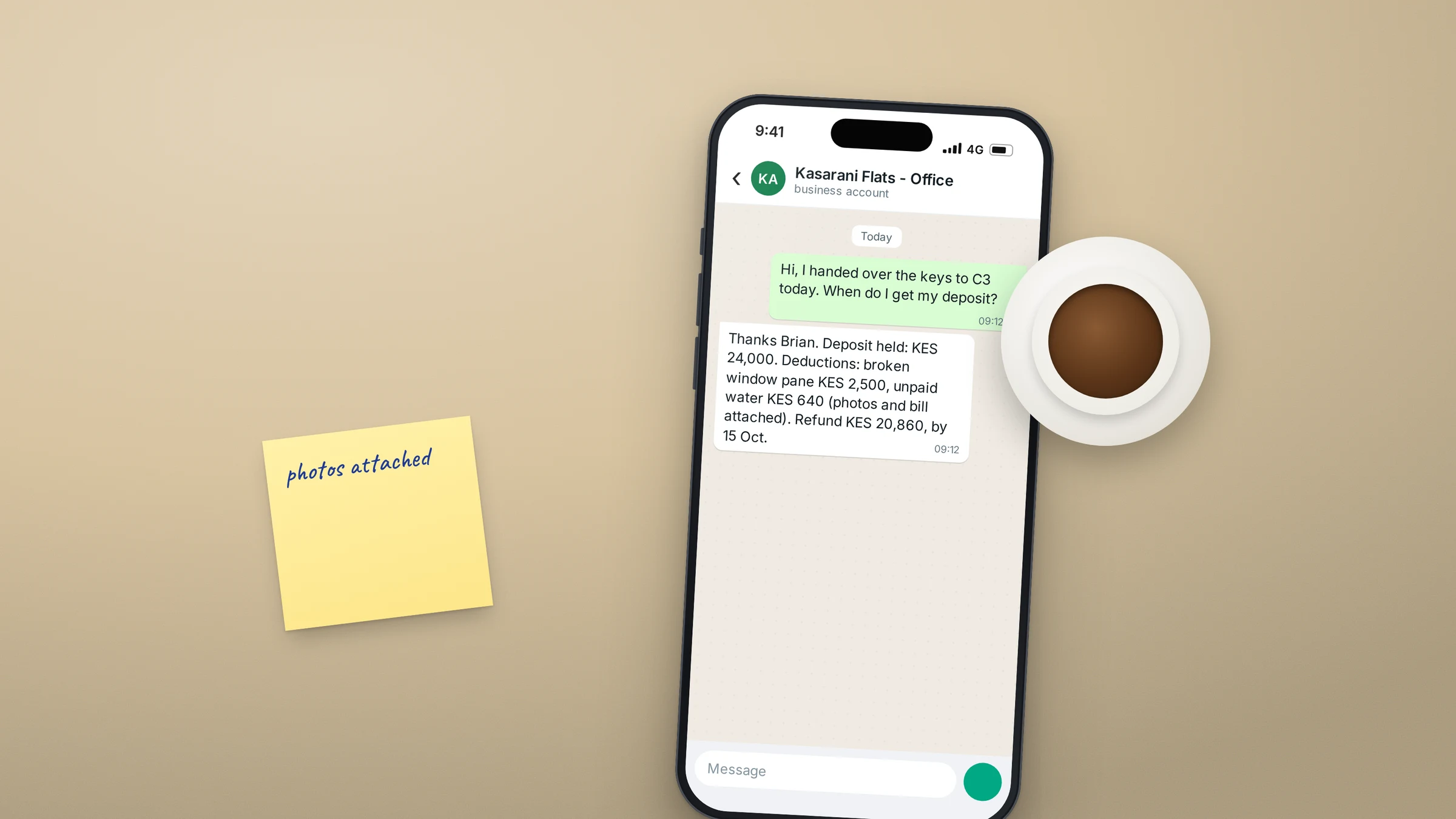
A deposit dispute is usually two people remembering a move-in differently. A receipt, a dated inspection with photos and a written deduction list turn it into a short conversation.
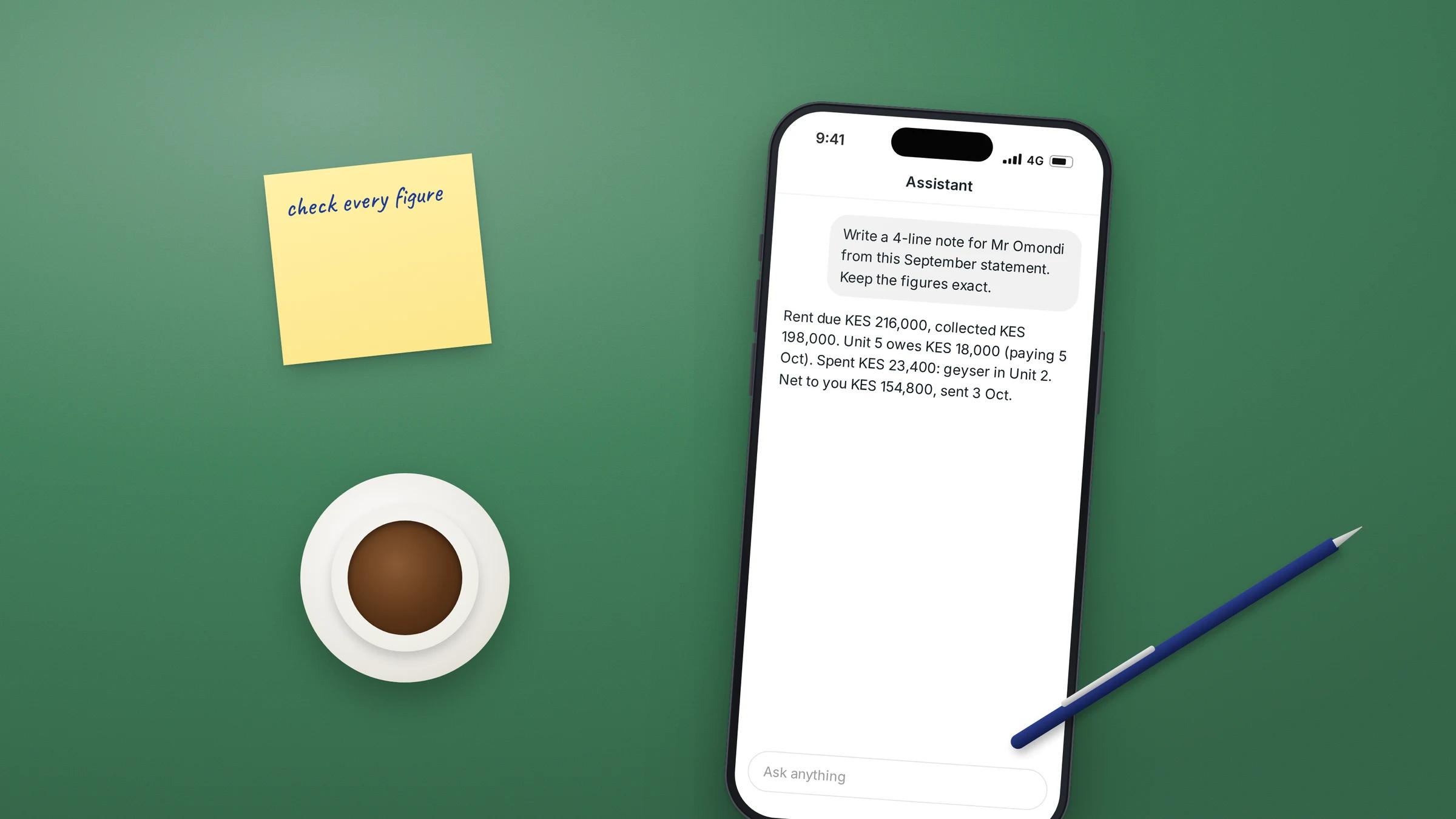
Most landlord statements are a list of transactions. What owners want is the story: rent due, rent collected, what was spent, who is behind, and what is coming. A layout that answers all of it.
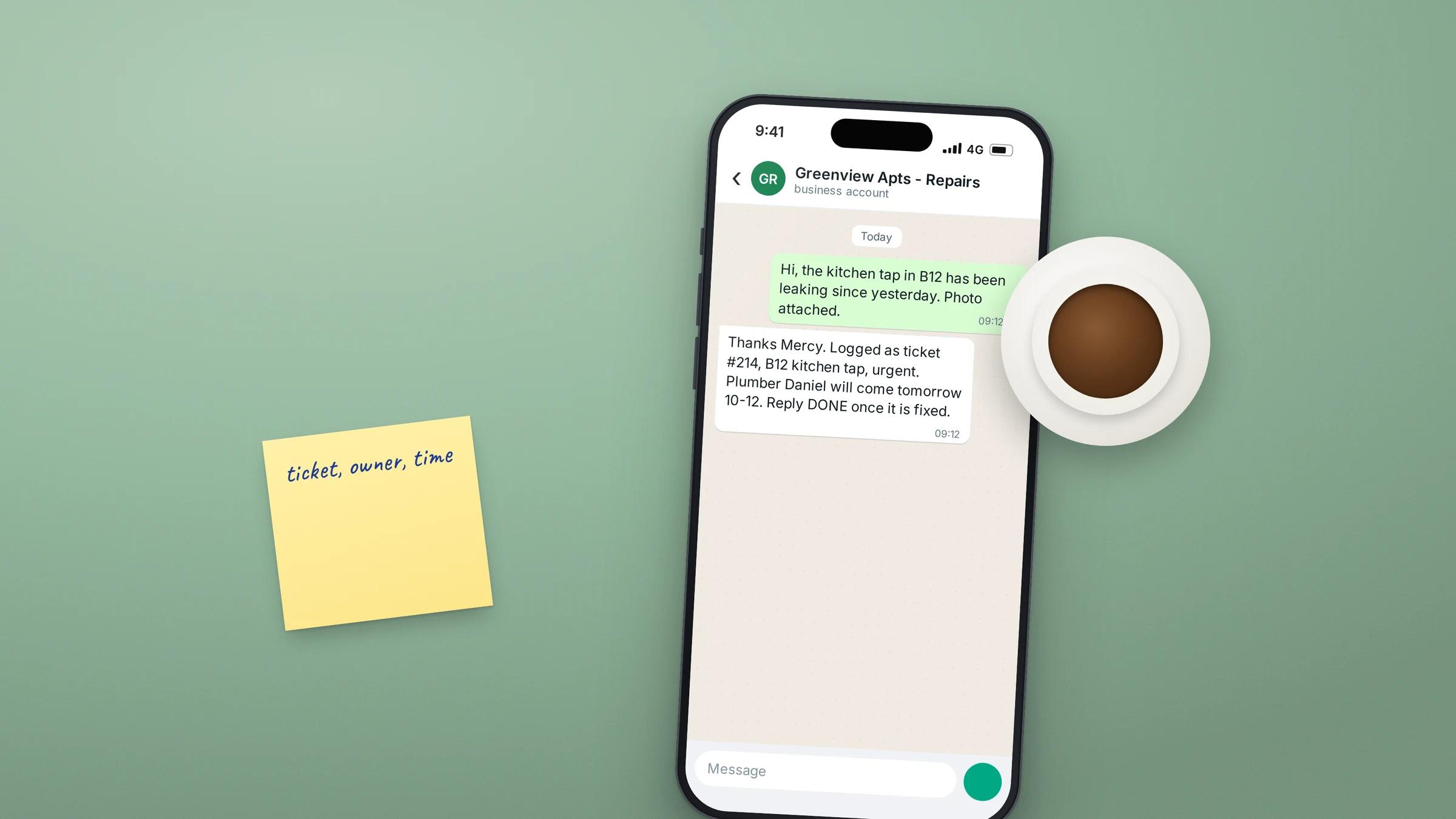
A maintenance request lost in a caretaker's WhatsApp is how a small leak becomes a ceiling repair and a tenant who leaves. A three-step routine: log it, assign it, close it with proof.
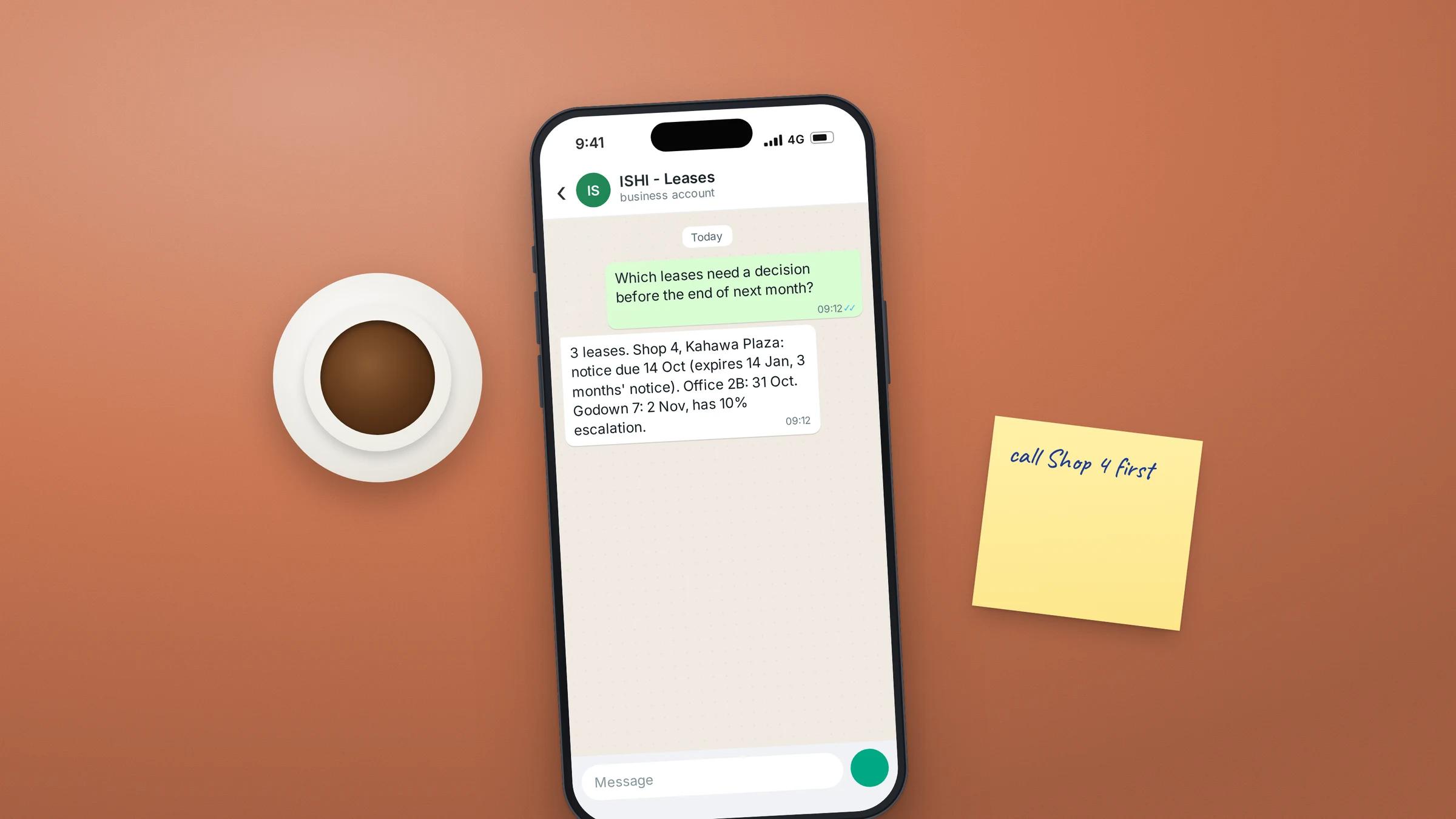
Most missed renewals are not disputes. They are a notice date nobody wrote down. How to record lease terms so reminders fire on the dates that actually decide things.
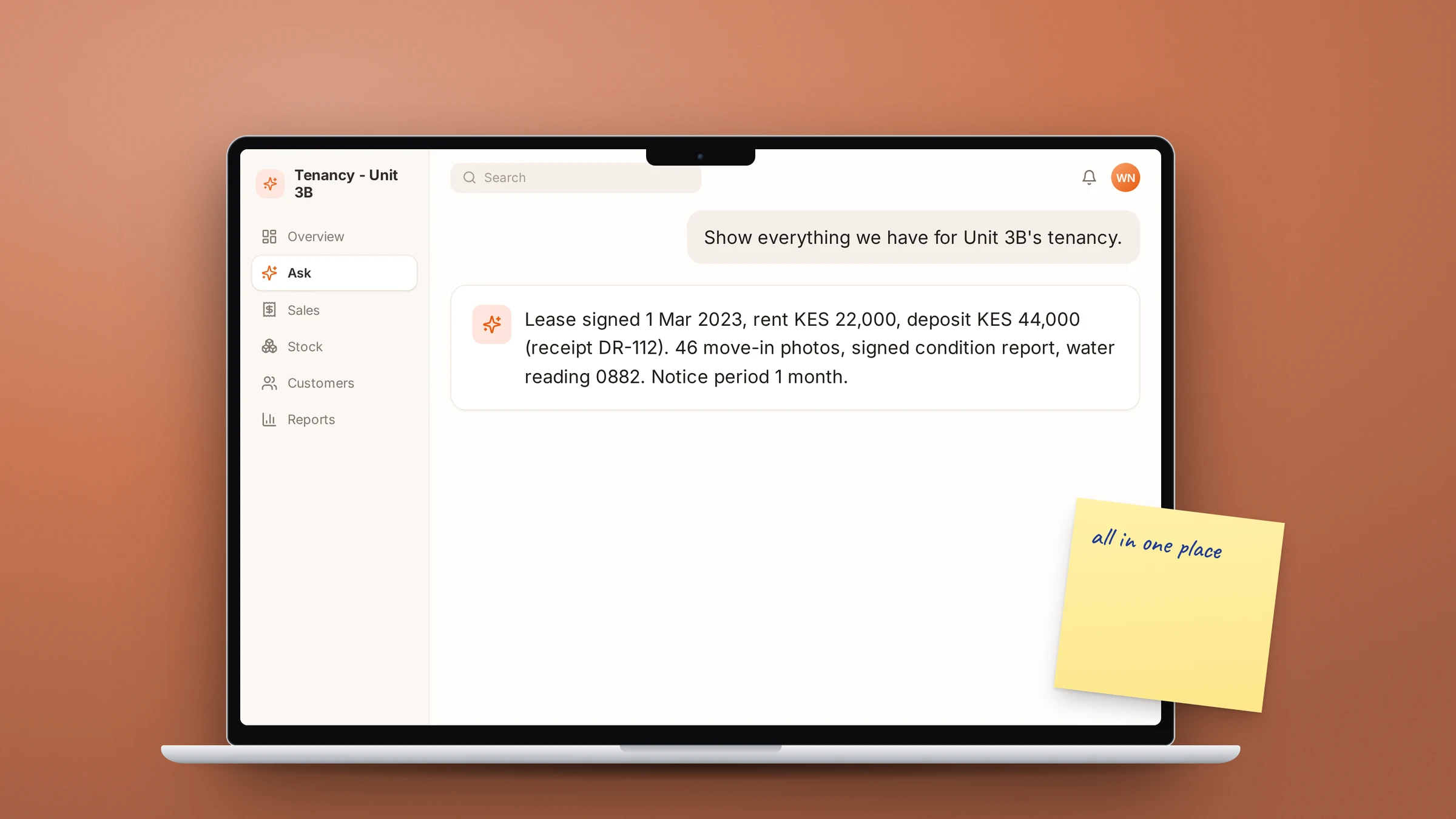
Most deposit disputes are lost on move-in day, when the condition report went into a drawer and the lease into someone's email. What to collect when a tenant moves in, and why it belongs in one record.
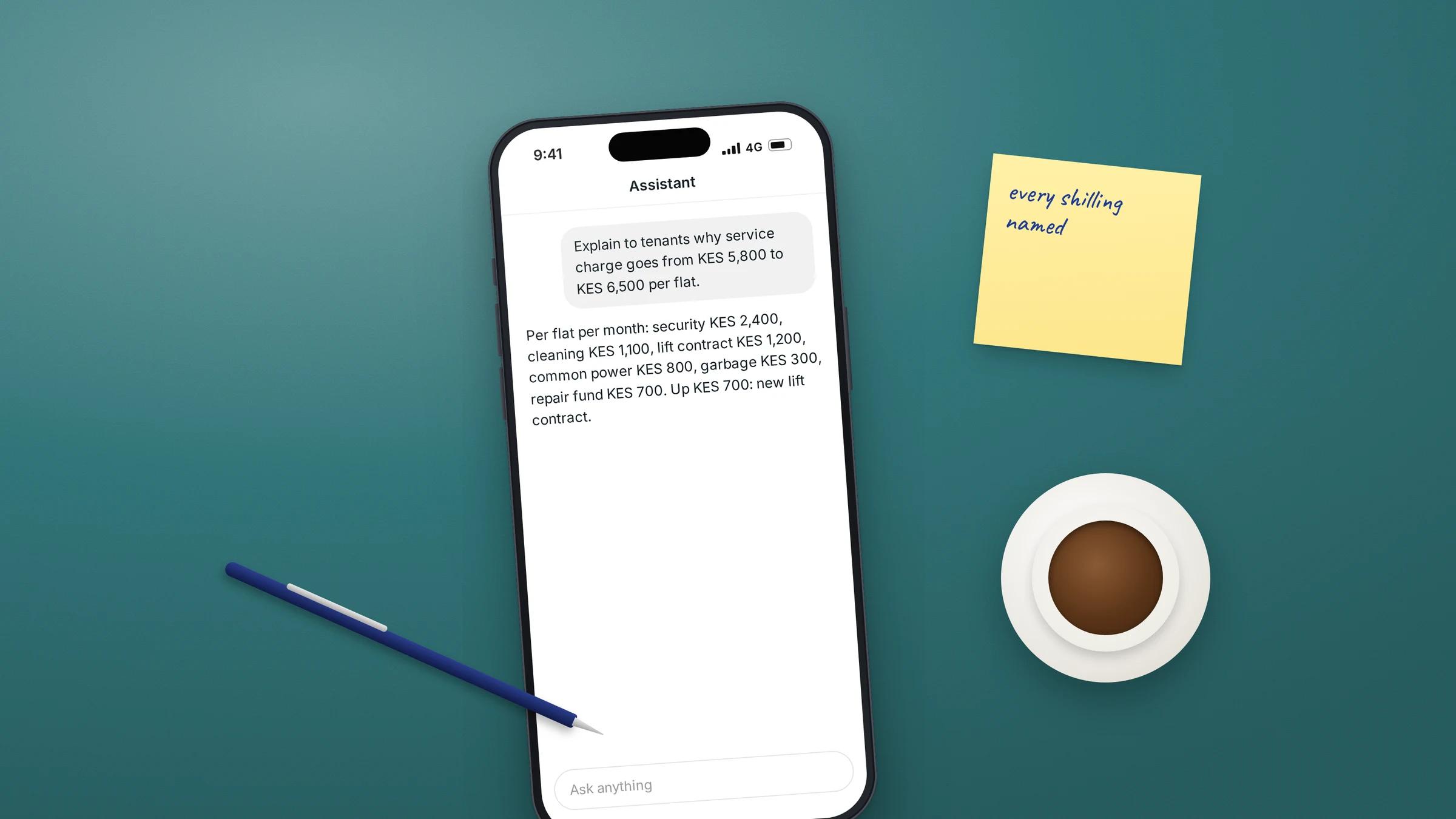
A single line saying "Service charge: KES 6,500" invites suspicion. A breakdown of what it pays for, how it is shared and what changed this year invites payment. How to write it, with an assistant's help.
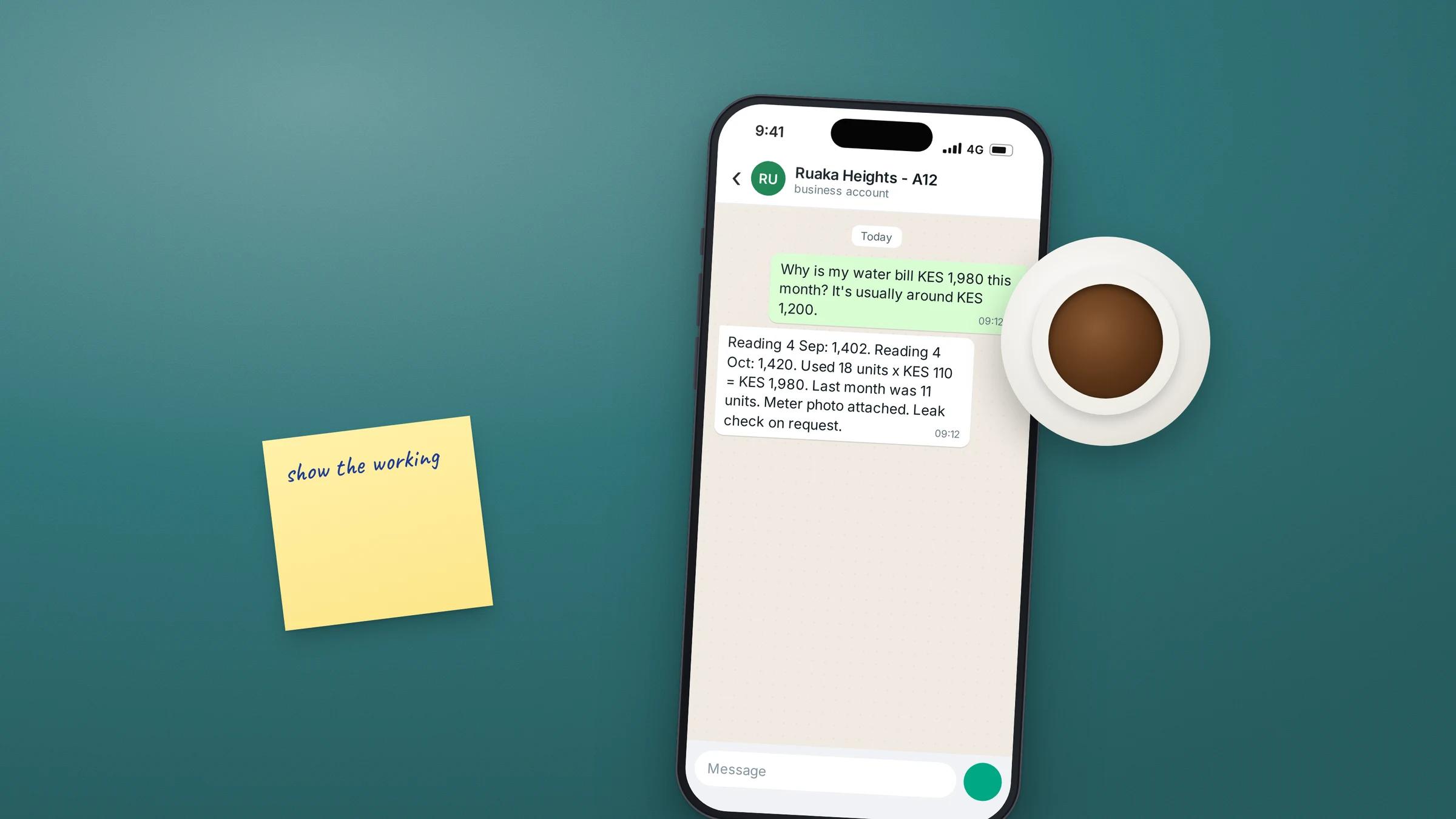
Most water bill arguments are not about the amount. They are about not being able to see how it was worked out. A bill that shows both readings, the units used and the rate is one tenants pay.
Arrears are rarely one big default. They are small late payments nobody followed up on time. A fixed monthly routine of reminders, calls and escalation, and the parts AI can take over.
We build the systems we write about - for retail, clinics, workshops and property businesses across Africa. Tell us what you run, and we will tell you honestly where AI would help and where it would not.