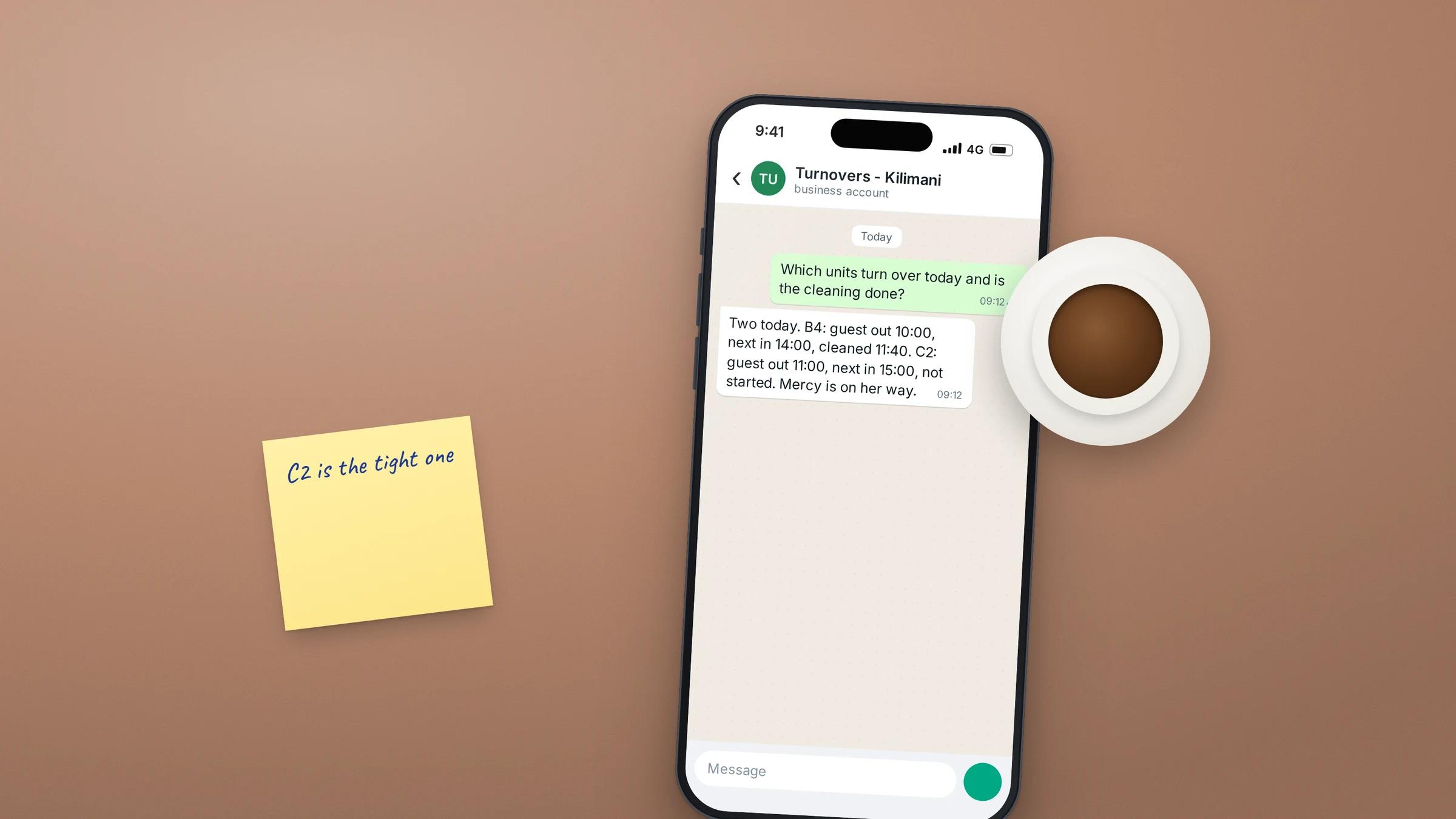
Picture a Saturday in Kilimani. A guest checks out of unit C2 at 11:00. The next guest lands at JKIA at 13:00 and will be at the door by 15:00. The cleaner, Mercy, thinks C2 is booked from Sunday, because the last time anyone told her about it was a WhatsApp voice note on Tuesday, and the booking was moved on Thursday. At 15:10 the new guest is standing in a room with wet towels on the floor.
Nothing in that story is about software being clever. It is about three pieces of information - who is staying, when the room must be ready, and whether the stay is paid - living in three different places. Short stays punish that harder than any other kind of letting, because the gap between guests is hours, not weeks.
One calendar, and everything hangs off it#
Most hosts take bookings from more than one place: a listing site or two, repeat guests on WhatsApp, a corporate client who emails. Each source has its own calendar. The first job is to decide which calendar is the master, and to make every other source feed into it.
The master calendar should hold, for every stay:
- the unit, check-in date and time, check-out date and time;
- where the booking came from;
- the amount due, what has been paid and how (M-PESA, card through a platform, bank);
- the deposit or damage hold, if you take one;
- notes the cleaner needs ("extra mattress", "baby cot", "late check-out agreed").
If you can only do one thing this month, do this. A double booking is the most expensive mistake a short-stay host makes, and it almost always comes from a booking taken on the phone that never made it into the calendar that the listing sites can see.
Treat the turnover as a job, not a favour#
In long-term letting the cleaning happens once a year. In short stays it is the product. So treat each turnover as a job with an owner, a deadline and a finish line.
Every check-out should create a turnover task automatically: unit, the time the room is free, the time the next guest arrives, and the special notes for the next stay. That task goes to the cleaner on the channel they already use, which for most cleaners in Nairobi is WhatsApp. When they finish, they reply with three photos (bed, bathroom, kitchen) and the word "done". The time of that reply is your record.
Two numbers are worth watching:
- The window: time between check-out and the next check-in. Under three hours is a tight turnover and deserves a name next to it the night before.
- Finish time against the window: if C2 is regularly finished with ten minutes to spare, you are one traffic jam away from an unhappy guest.
The cleaner's checklist belongs in the same place: towels counted, gas checked, Wi-Fi card on the table, nothing left in the fridge. Lost-property notes go back against the stay, so when a guest messages about a charger you know whether it was found.
Payments: know what is paid before the key is handed over#
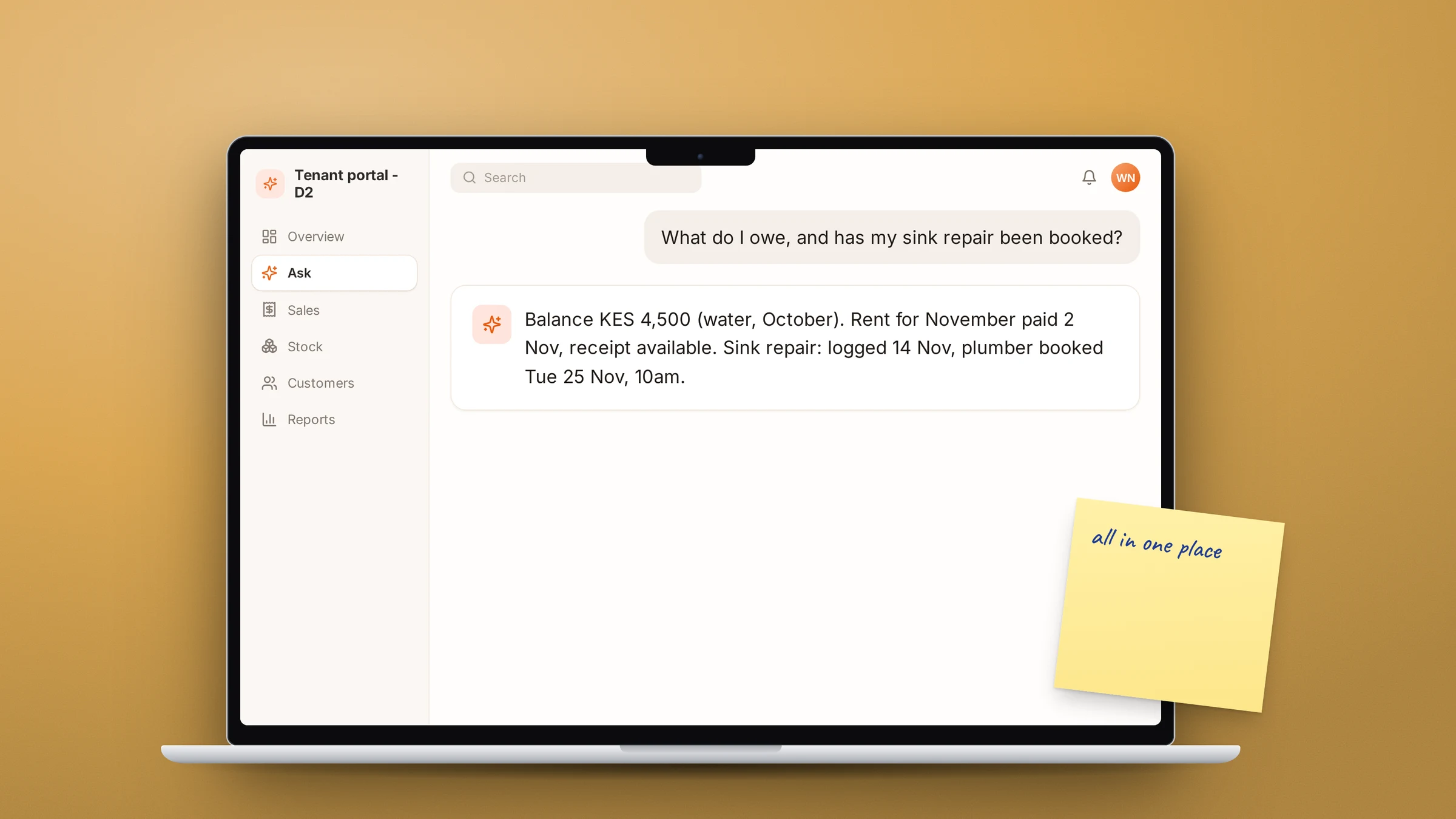
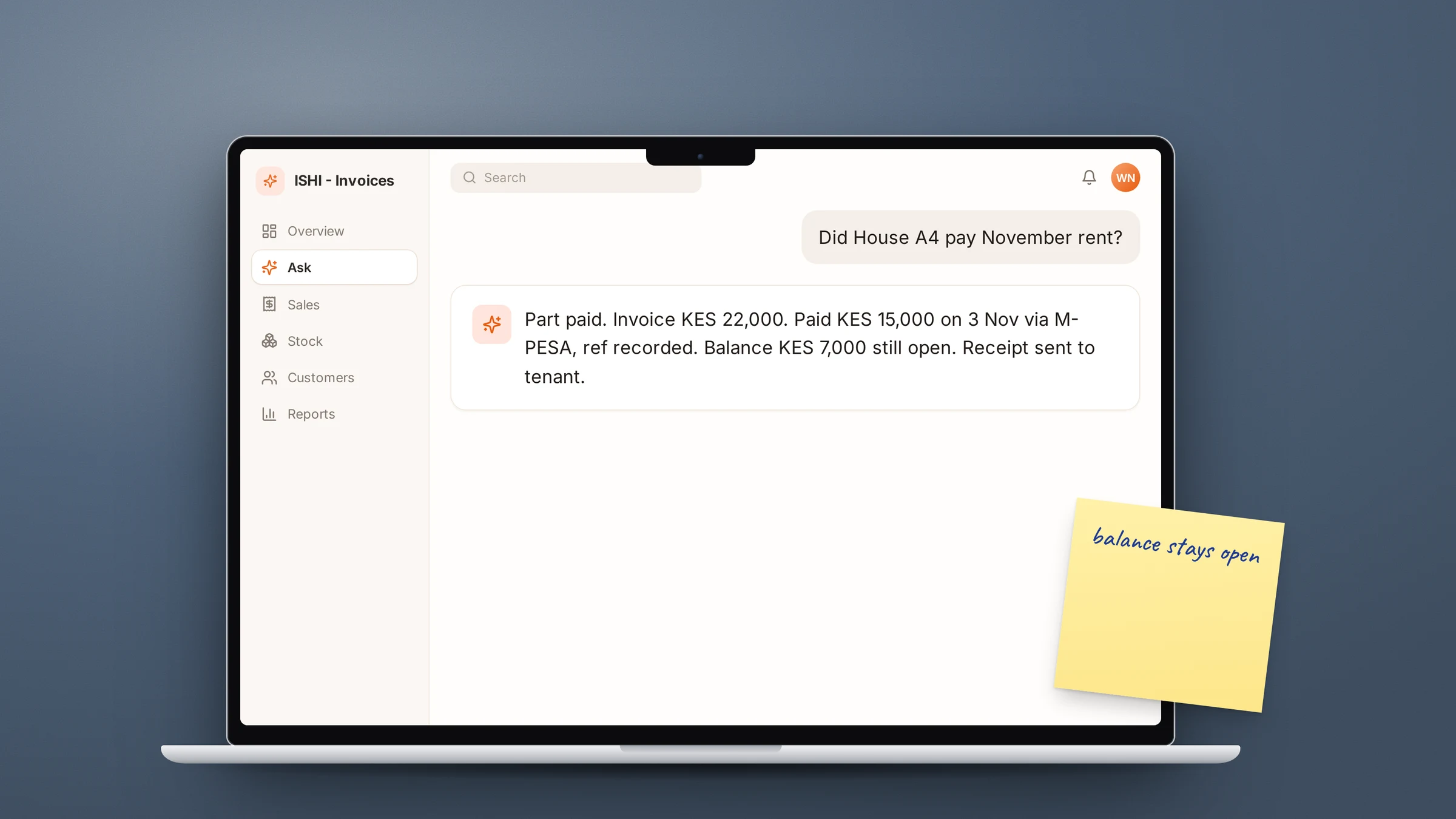
Platform bookings usually arrive paid, minus the platform's commission, and the money lands days later. Direct bookings are where hosts lose money: a guest pays half on M-PESA, promises the rest on arrival, and on arrival the caretaker is not sure who has paid what.
A short rule set fixes most of it:
- A direct booking is confirmed only when the deposit is in, and the calendar shows the stay as "held" until then.
- Every M-PESA payment is matched to a stay, using the booking reference the guest was asked to put in the account field.
- The person handing over the key can see, on their phone, one line per arriving guest: paid in full, balance due, or deposit only.
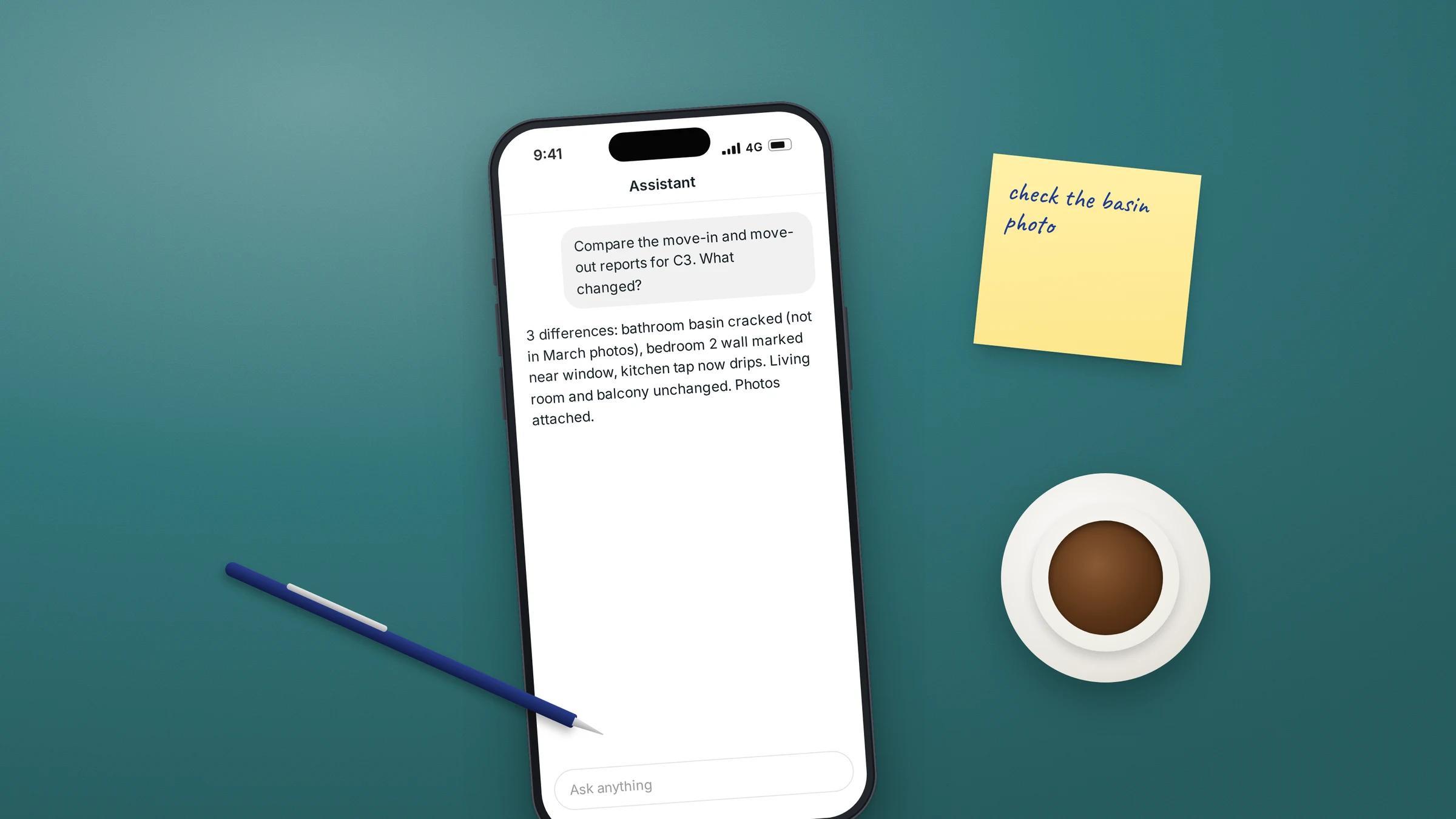
- The damage deposit is a separate line, released after the post-stay photos are checked.
Matching payments to bookings by reading screenshots is slow and error-prone. If your paybill can send payment notifications to your system, let it; the matching is a rule, and rules do not get tired. We wrote about the engineering behind that in M-PESA callbacks and matching payments.
What a connected week looks like#
When the pieces are joined, the host's day changes. In the evening you get one message: tomorrow's check-outs, check-ins, turnovers and who is cleaning each, with the tight ones marked. In the morning the cleaner has the same list. As each "done" comes in with photos, the unit turns ready. At check-in, the caretaker sees the balance. After check-out, the deposit question has a photo answer.
This is Stage 3 on the NGAZI ladder: the software works inside the daily flow, and people step in where judgement is needed. It sits on top of the boring part - every stay recorded in one calendar - and does not work without it.
What to do this week#
Take the next fourteen days of bookings from every source and put them into one calendar, including the ones that live only in your WhatsApp chats. Mark every turnover with less than three hours between guests. Send your cleaner that list tonight and ask them to reply "done" with photos after each one. You will learn more about where your gaps are from those two weeks than from any new tool.