Picture a family supermarket in Kakamega that closes for two days every January to count everything. Six staff, clipboards, a long night. The count finishes, the totals are typed in, and the system's stock figures jump by hundreds of items in both directions. Nobody knows whether the differences are theft, mistakes during the year or mistakes during the count itself, because by then it is all eleven months old. The owner, Nafula, loses two days of sales and gains a set of figures she does not fully believe.
There is a better way that most large retailers use and small shops can copy easily. It is called cycle counting: instead of counting everything once a year, you count a small part of the shop every day, so that every item is counted several times a year and the shop never closes.
How cycle counting works#
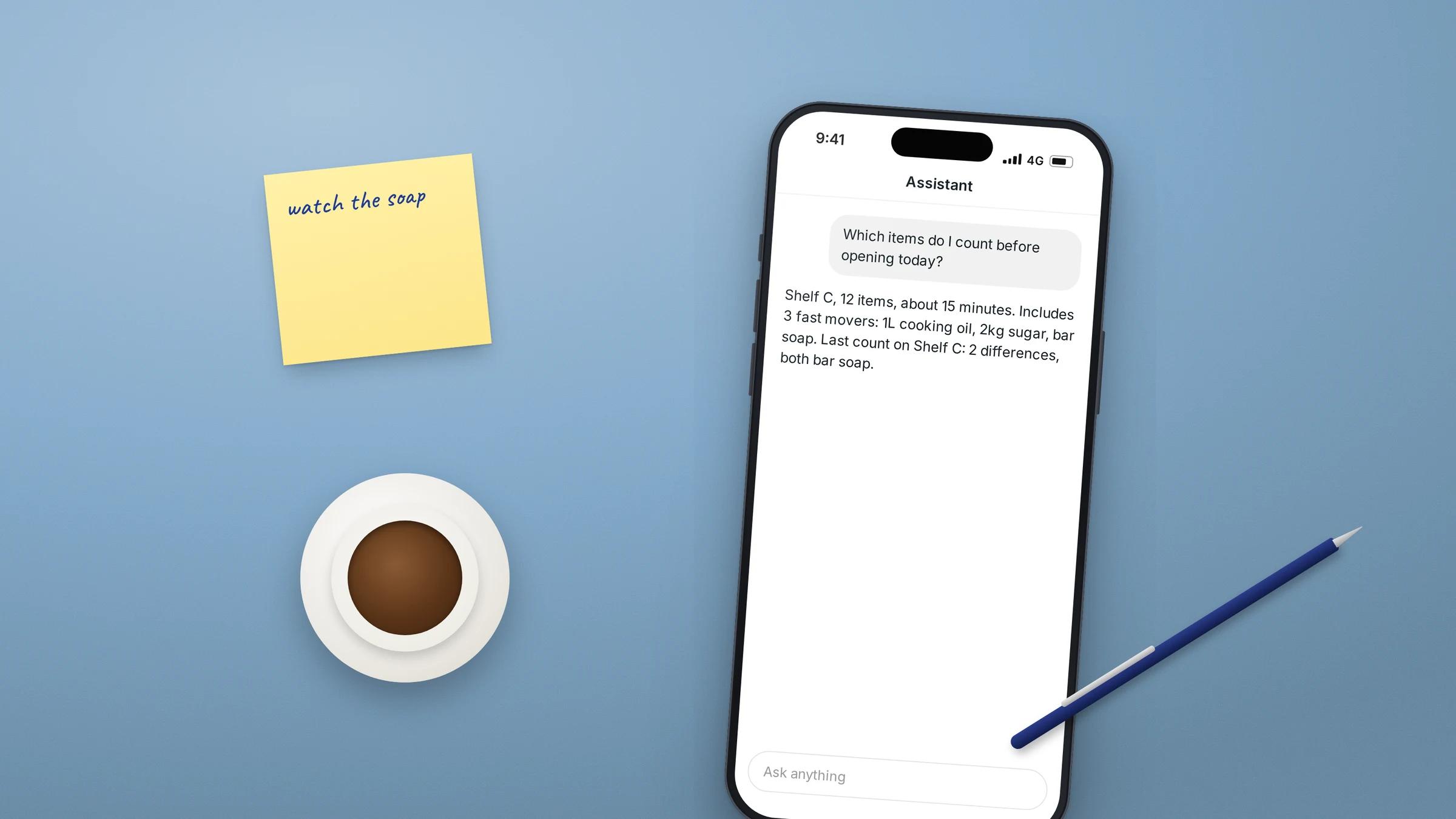
The idea is simple. Divide the shop into small sections: a shelf, a rack, a bay in the store room. Each morning before opening, or in a quiet hour, one person counts one or two sections and records the numbers. Over a few weeks, every section gets counted. Then the cycle starts again.
Because each count is small, it is done carefully. Because it is recent, any difference can be traced: if the system says 24 bars of soap and the shelf has 21, you are looking at a gap of the last few weeks, not the last year. Someone can check last week's sales, deliveries and returns while they still remember them.
Count the important things more often#
Not every item deserves the same attention. Group your stock roughly into three:
- A items: the fast movers and the expensive ones. Cooking oil, sugar, phones, cement, whatever carries your sales and your cash. Count these often, every two to four weeks.
- B items: steady sellers of moderate value. Count every month or two.
- C items: slow, cheap items. Count a few times a year.
A useful way to find your A items: list your products by sales value over the last three months. The top fifth of the list usually holds most of the money. If your sales are still in an exercise book, start with the items you know you sell most and the ones that would hurt most to lose.
Record every count, with the difference#
For each section counted, write down: the date, who counted, each item, what the records said, and what was actually there. Then note what you think caused any gap, if you find out.
Keep differences in a simple log. Over a few months, patterns appear that a yearly count never shows:
- the same item short again and again, which points at theft, a pricing error or a unit mix-up (sold by the piece, received by the dozen);
- differences that cluster on certain days or shifts;
- items that are always over, usually because deliveries are counted in but sales of them are not rung up properly.
Our post on what your records already say about missing stock goes further into reading those patterns.
A difference found this week can be explained. A difference found next January can only be written off.
Make it part of the morning#
Cycle counts fail when they become an occasional project. They work when they are a small, fixed part of the day, like counting the float. A few habits keep them going:
- Make a calendar of sections: Monday shelf A, Tuesday shelf B, and so on. Print it.
- Rotate the counters so that the same person does not always count the same shelf. It catches honest mistakes and makes dishonest ones harder.
- Keep it short: fifteen to twenty minutes a day. If a section takes longer, split it.
- Fix the record the same day, once the difference is checked, with a note of why.
If your shop is still on paper, this is Stage 0 work on the NGAZI ladder: getting the business written down accurately. It is also the most useful preparation for any later system or AI, because no software can give good answers from stock figures that are wrong.
What to do this week#
Pick your ten fastest-moving items. Count them every morning this week before opening, and write down what the records say alongside what is on the shelf. By Saturday you will know whether those ten are reliable. If they are, extend the list next week. If they are not, you have found where to look first, and you did not have to close the shop to find it.