Take Mutua, who built a busy mini-market in Kitui over eight years. He knew every supplier, every regular customer and roughly how much of everything was on the shelves, because he was there from opening to closing. Then he opened a second shop in Mwingi and a third in Matuu, each with a trusted manager.
Within three months the business was selling more and making less. Sugar seemed to disappear between the main store and Matuu. Mwingi's cash was "a bit short" most days. And Mutua's evenings were spent on three phone calls trying to work out how the day had gone. Nothing was wrong with his managers. What had broken was the system, because in one shop the system had been Mutua himself.
The same three things break, in roughly the same order, for most shops that grow this way.
1. Stock moving between branches#
The first thing to break is usually stock transfers. In a single shop, stock comes from suppliers and leaves through sales. With branches, it also moves between shops: the main store sends 20 bales of sugar to Matuu, Mwingi borrows a carton of cooking oil from Kitui.
When those moves are not recorded, every branch's stock count is wrong, and nobody can tell a transfer from a loss. The fix is to make every movement a transfer record with two steps:
- Sent. The sending branch records the items and quantities. Its stock goes down and the goods are "in transit".
- Received. The receiving branch counts what arrived and confirms. Its stock goes up.
If 20 bales were sent and 18 received, the difference is visible on the day, against a named driver and a named manager, not discovered at month end. Anything sitting "in transit" for more than a day gets a phone call.
The rule that makes it work: no goods move without a transfer record, including the "just a carton" emergencies. Those are exactly the ones that go missing.
2. Cash you cannot see#
The second thing is cash. When you counted the till yourself every evening, you knew. Now three managers count three tills, and you get a figure by message.
What helps:
- Each branch has its own till session, opened with a float and closed with a count, recorded in the system rather than on paper.
- The system knows what should be there: cash sales minus any cash paid out, so the count is compared with an expected figure, and the difference is recorded with a reason.
- M-PESA is matched to sales separately, ideally to its own till or paybill per branch. Till or paybill explains how the choice affects that matching.
- Banking is recorded, with the deposit slip or reference, so cash that leaves the shop is traced to the bank.
Small daily differences happen. What matters is that they are recorded, small, and trending nowhere. A branch that is "a bit short" every day for a month is telling you something.
3. Reports that do not add up#
The third thing is reporting. Three managers send three summaries, in three formats, at three times. Adding them up is an evening's work, and comparing branches is guesswork.
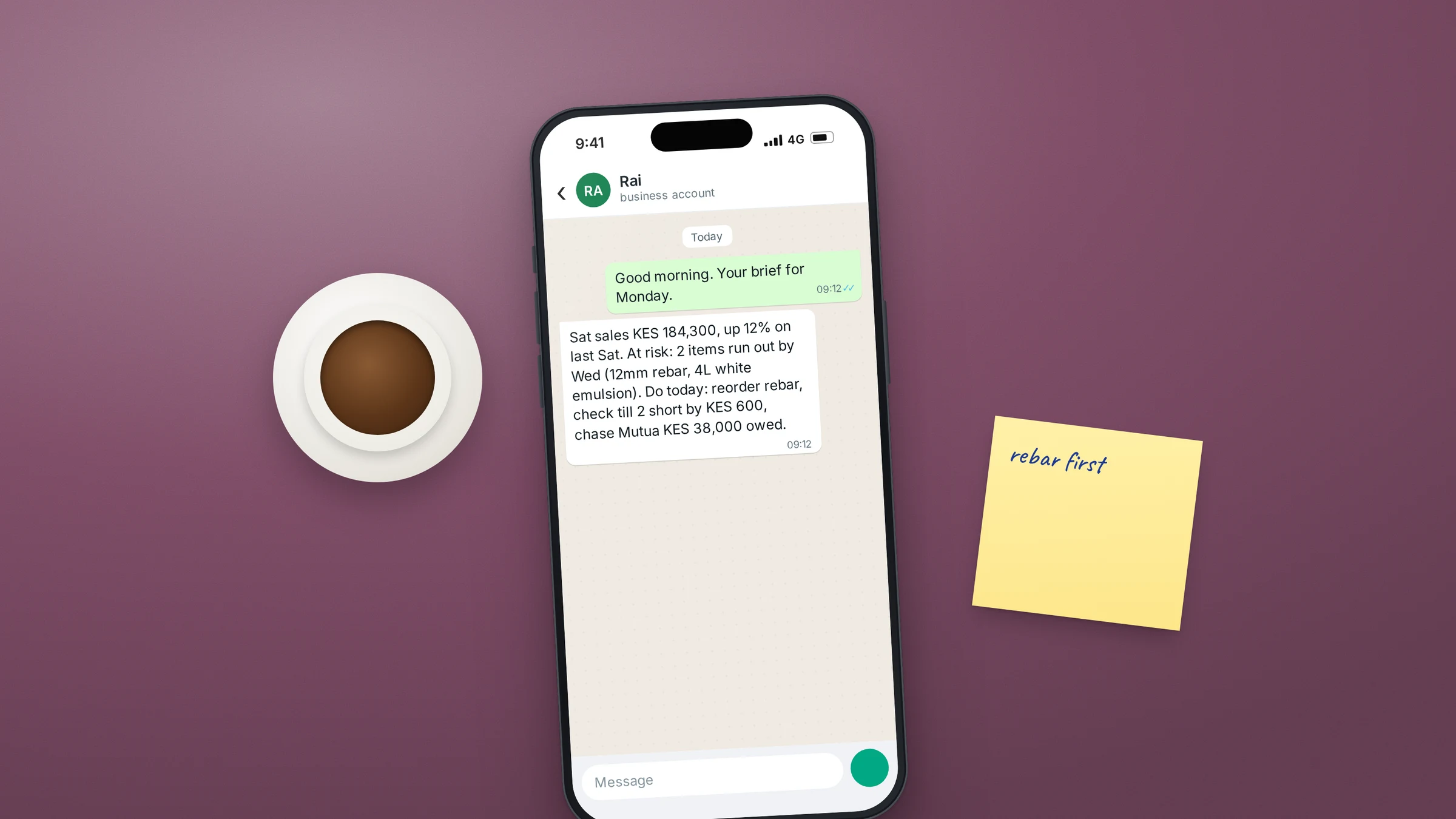
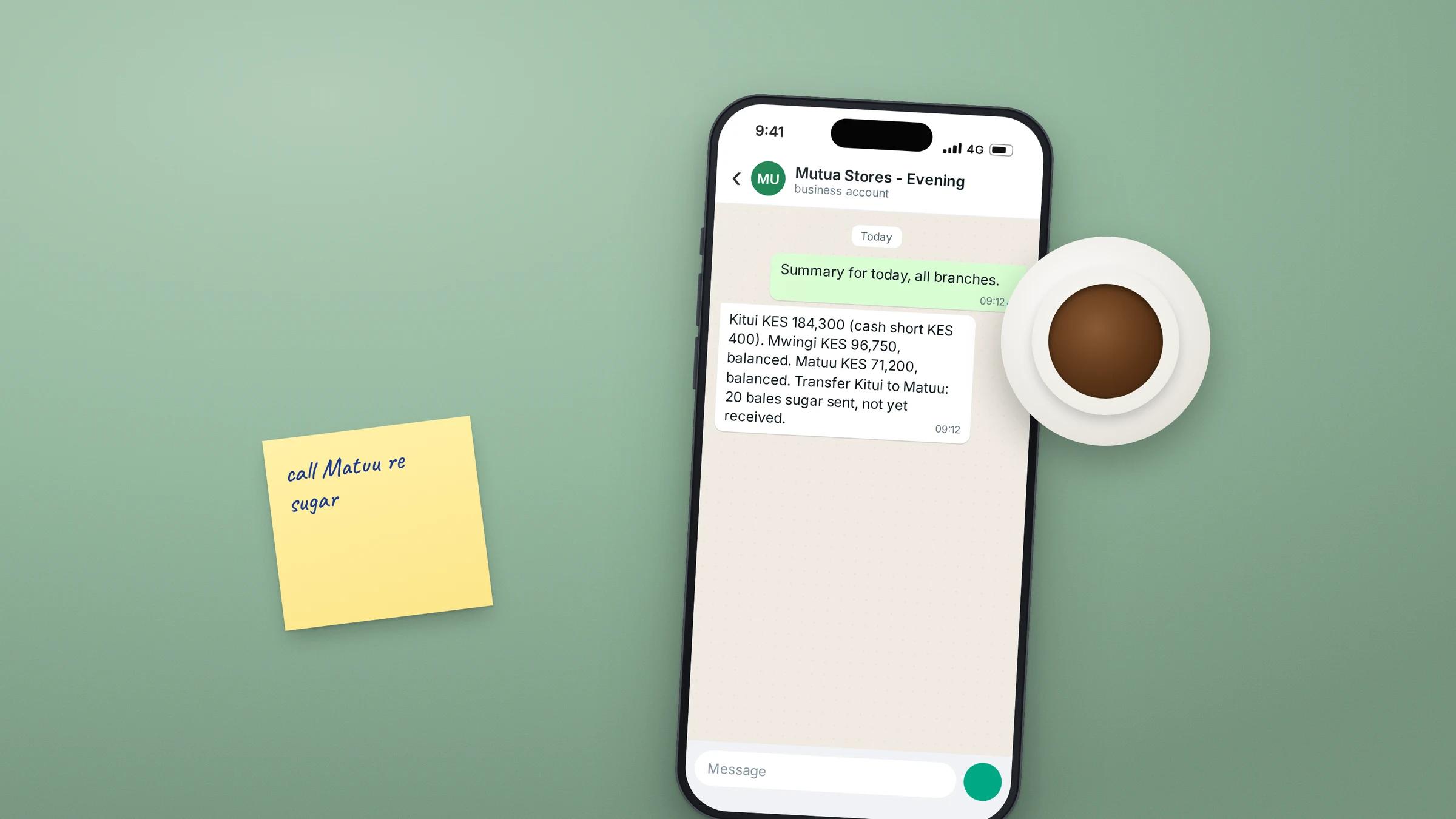
When all three branches run on one system, with one item list, the reports come from the same records: sales, margin, stock and cash per branch, side by side. This is where Stage 3 of the NGAZI ladder earns its keep. Instead of three phone calls, the owner gets one evening summary on WhatsApp, as pictured above: each branch's sales, its cash difference, and any transfers not yet received. Exceptions first, so the one thing that needs a call is at the top.
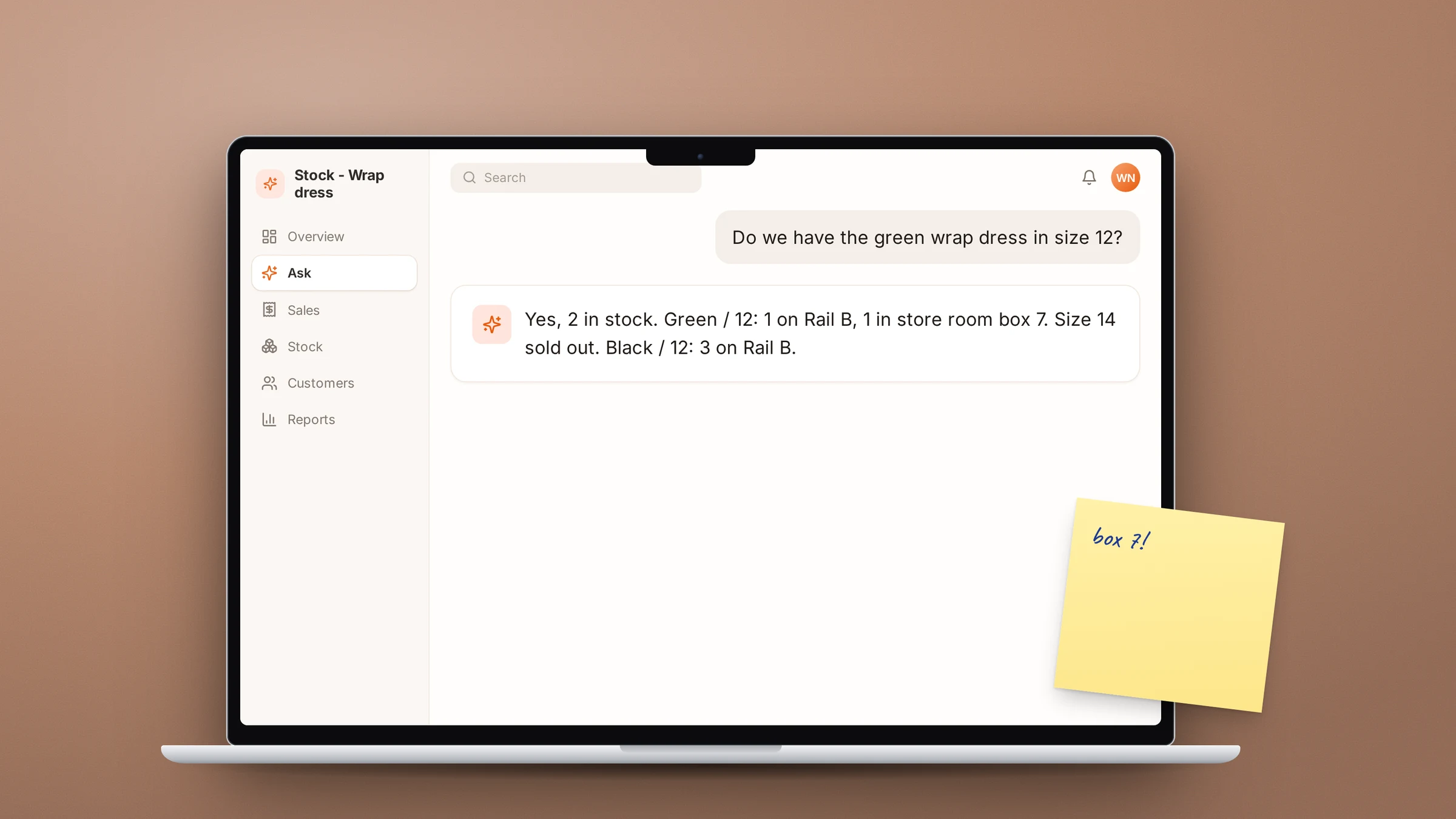
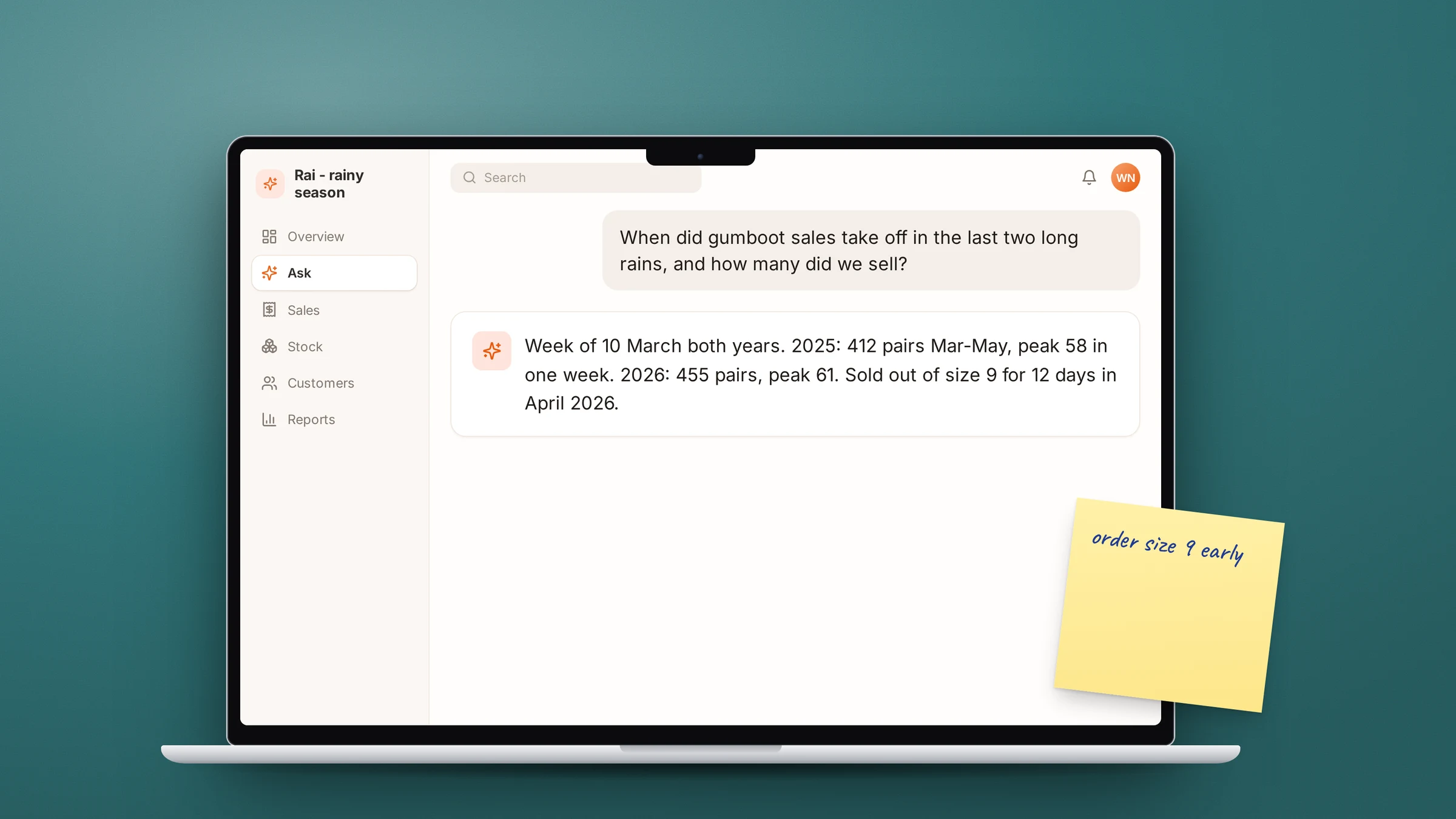
An assistant like Rai, inside UpeoRetail, can go further and answer questions across branches: which branch sells most cooking oil per customer, where a slow item should move to. But the summary only works because the transfers and the till sessions underneath it were recorded properly.
Set up before branch two, if you can#
All of this is easier before the second branch opens than after. If you are planning to grow, the order is: one item list and price list, transfer records, till sessions per branch, then the daily summary. Each step is small; together they replace the owner standing in the shop.
What to do this week#
If you already have branches, start with transfers. From Monday, no stock moves between branches without a written record of what was sent and what was received, signed on both ends. At the end of the week, compare the sent and received quantities. Any difference is your first lead, and the habit is the foundation for everything else.